Water Damage Restoration St. Petersburg, FL
Tampa Bay surge, cloudburst rain, failing pipes and city main breaks all put water into St. Petersburg homes and businesses. The restoration crew extracts standing water, opens wet walls, sets drying equipment and records daily readings until the structure reads dry.
(888) 621-2041Standing water in your home? Ask the crew- 24/7 St. Petersburg dispatch
- S500 drying protocol
- Powerful extraction units
- Moisture readings every visit
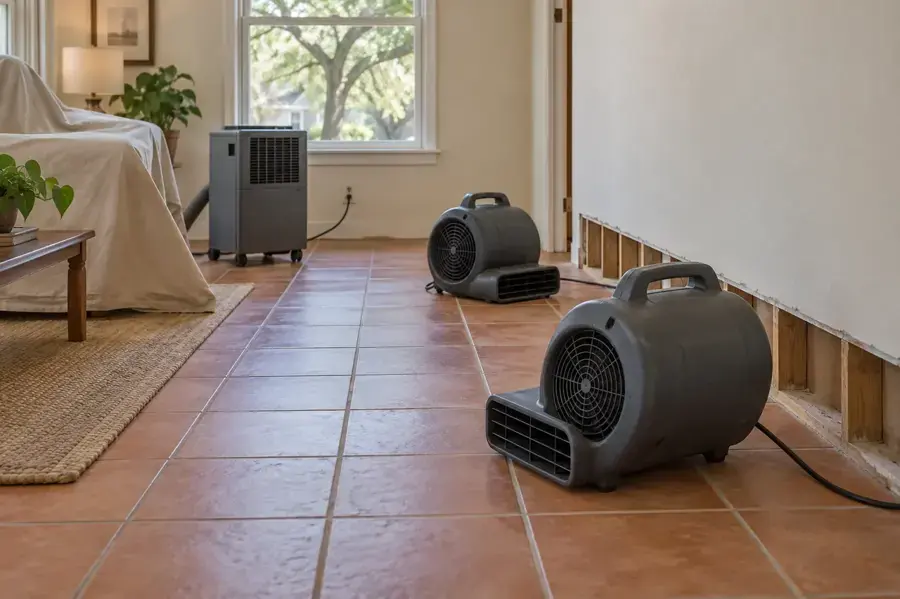
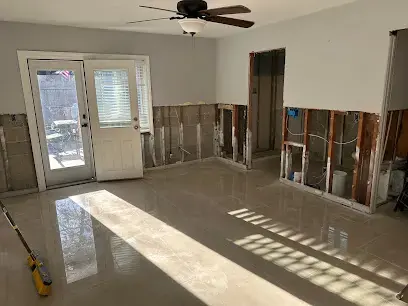
Representative photo of drying equipment set on a tile floor after baseboard removal.
What to do while waiting for the crew
- 1
Shut off the source
Close the fixture valve or the main shutoff. If water is entering from outside, skip the valve and keep moving valuables upward.
- 2
Kill power safely
Switch off breakers for wet rooms only if the panel stands dry. Never touch outlets or cords while standing in water.
- 3
Keep people clear
Keep people and pets away from bay water, floodwater and sewage, which carry germs that skin and eyes should avoid.
- 4
Photograph everything
Take timestamped photos and short video of the water mark, wet belongings and damaged areas before anything is moved or thrown out.
- 5
Call and describe
Call the crew once the space is safe. Be ready to say what failed, how deep the water is and which rooms are wet.
These steps only buy time. The drying team handles removal, drying and documentation, and anything touched by sewage or bay surge stays untouched by residents until it has been assessed.
Every kind of water loss the crew handles
From surge pooling in low neighborhoods to a cracked drain in a downtown condo, each service page covers how the crew handles that specific loss.
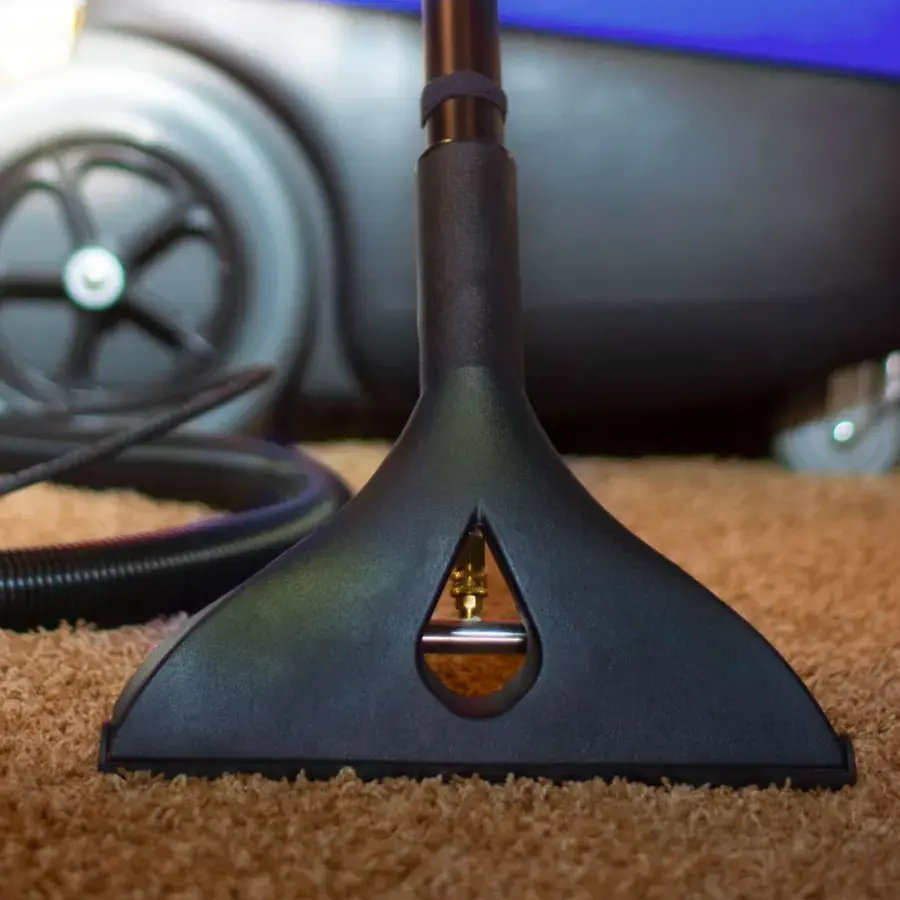 Water ExtractionPumps and truck mounted extractors clear surge, cloudburst runoff and plumbing water from floors in low areas such as Shore Acres.How water extraction is handled
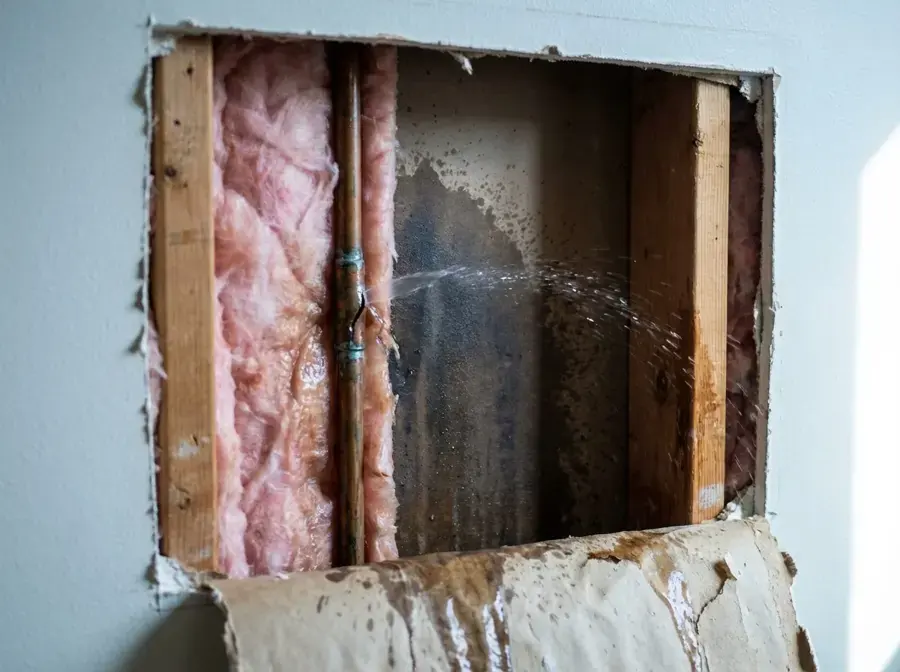 Burst Pipe Water DamageFailed pipes and municipal main breaks, like the downtown break in September 2026, can flood a room fast.How burst pipe water damage is handled
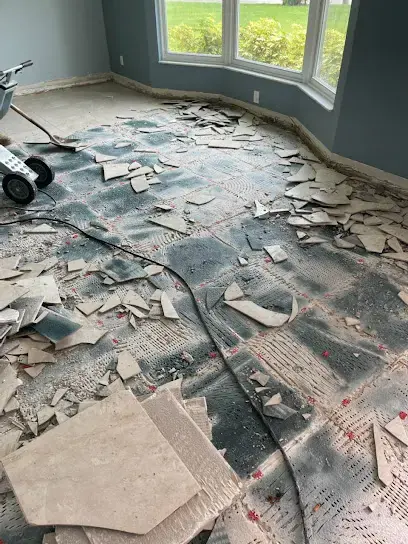 Slab Leak Water DamageWater escaping under a concrete floor is traced, then wet flooring is lifted and the slab dried.How slab leak water damage is handled
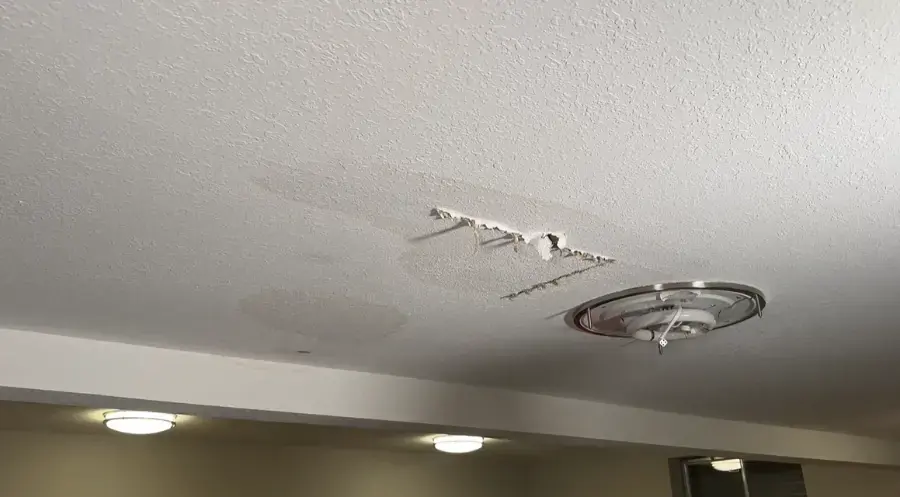 AC Leak Water DamageA clogged condensate drain can spill into a closet or ceiling, so wet insulation and drywall get dried out.How AC leak water damage is handled
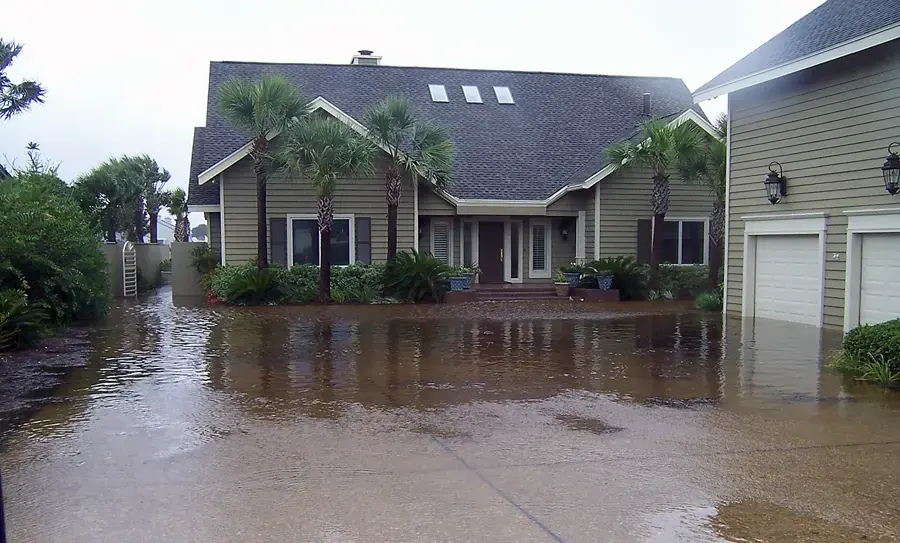 Storm and Flood CleanupIdalia, Helene and Milton flooded Shore Acres, Snell Isle and Riviera Bay, and storm cleanup follows the same steps.How storm and flood cleanup is handled
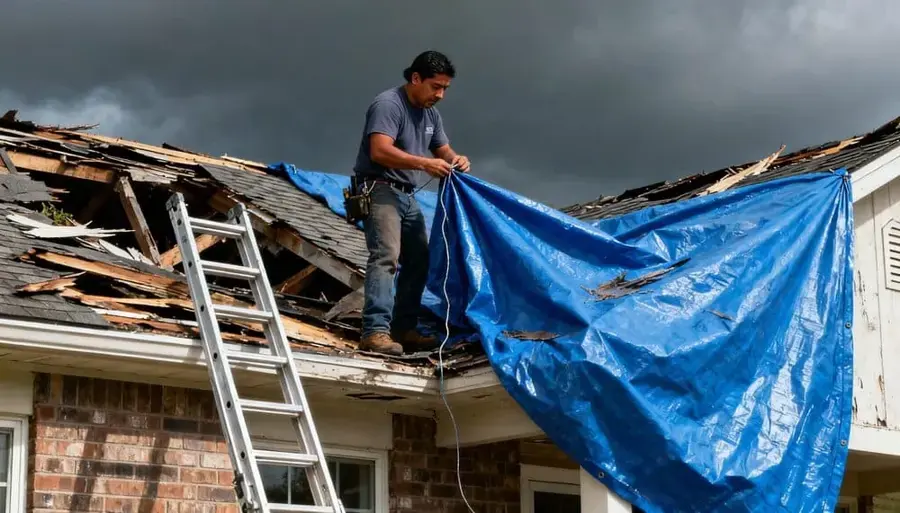 Roof Leak Water DamageMilton's wind and rain tore at roofs across the area, so wet ceilings and insulation are opened and dried.How roof leak water damage is handled
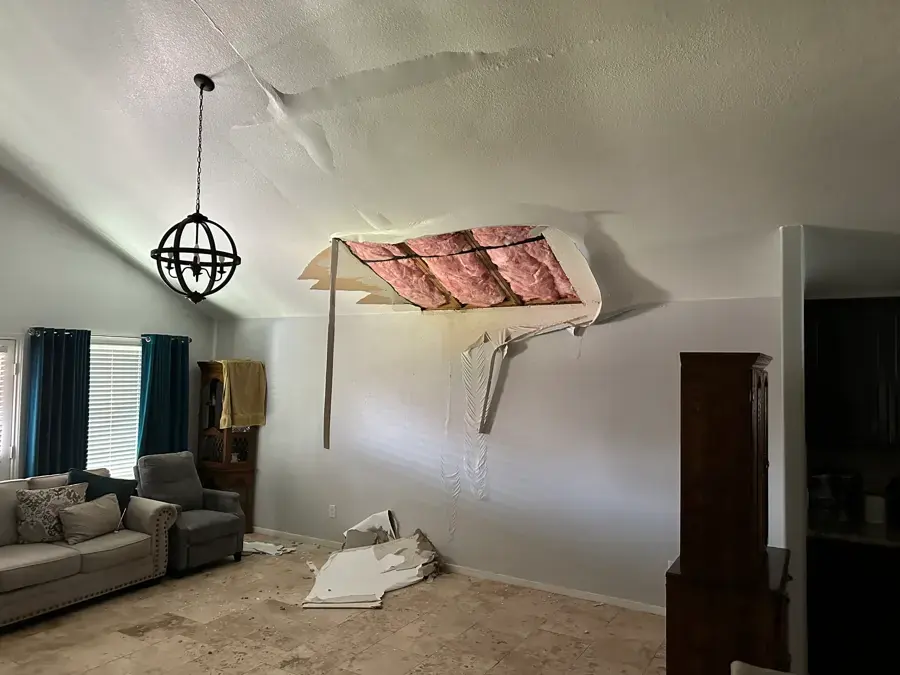 Ceiling Leak Water DamageDownpours like Debby's can soak through roofs into ceilings, including in downtown condo buildings, and drywall is drained and removed.How ceiling leak water damage is handled
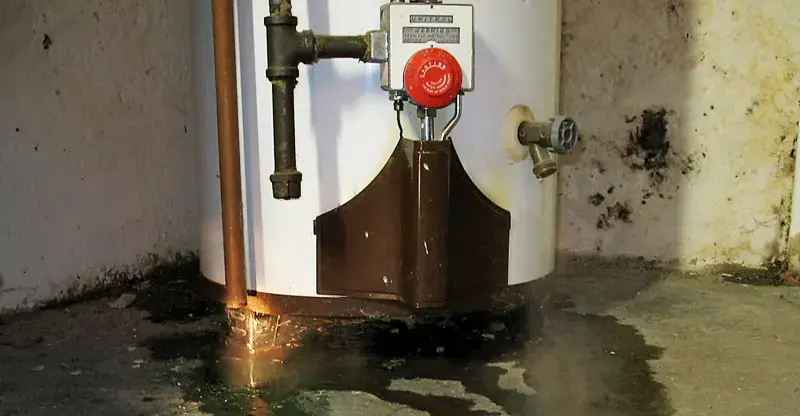 Water Heater Leak CleanupA leaking tank floods a garage or closet, and a replacement tank can involve a city permit.How water heater leak cleanup is handled
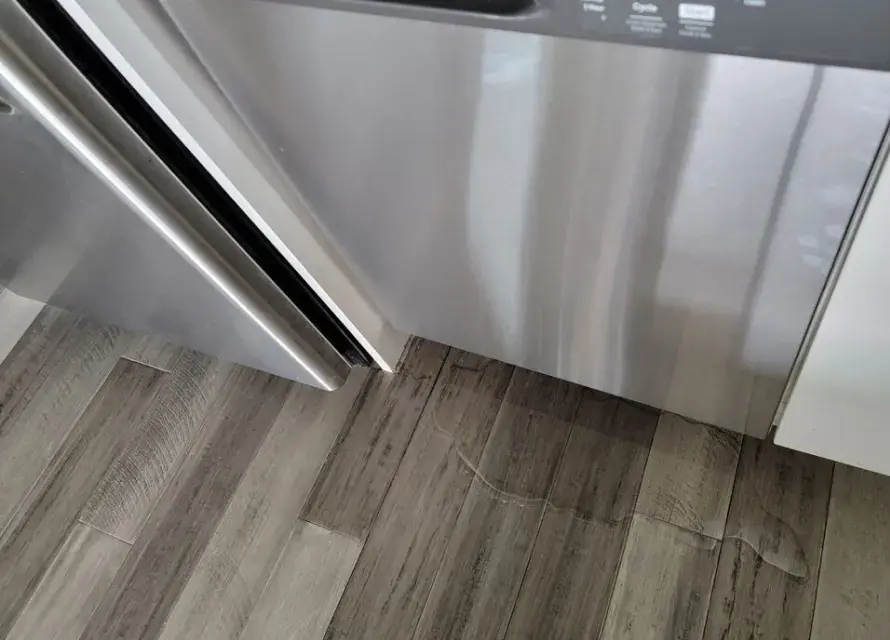 Appliance Leak Water DamageWashers and dishwashers that leak soak flooring and cabinet bases, so the crew dries both.How appliance leak water damage is handled
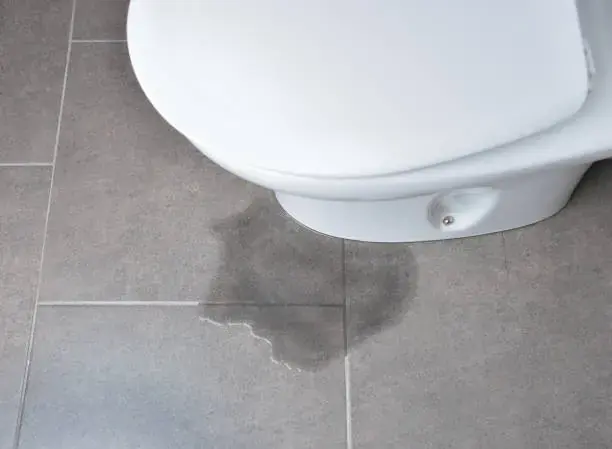 Toilet Overflow CleanupOverflow water spreads across bathroom and hallway floors, and the crew cleans, treats and dries what it reached.How toilet overflow cleanup is handled
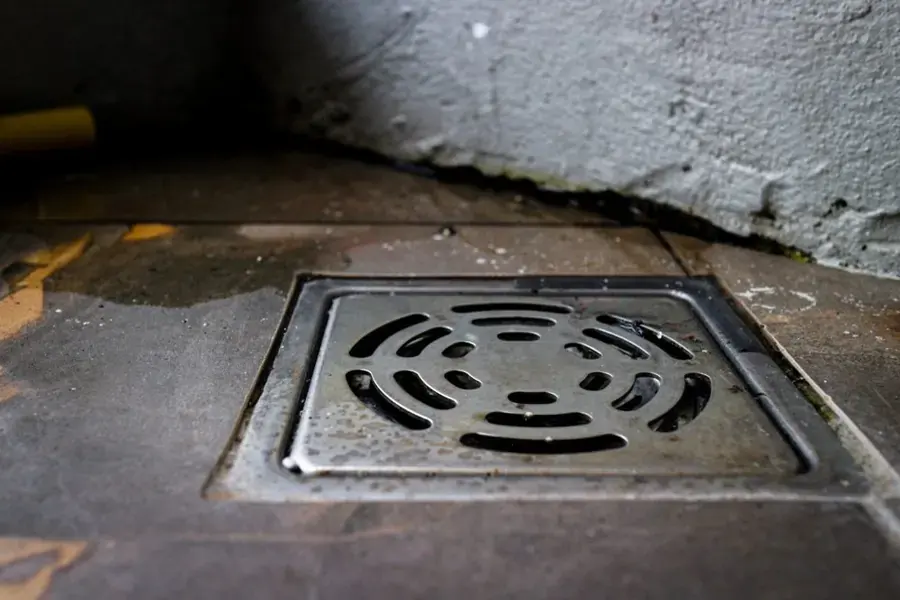 Sewage Backup CleanupOwners maintain private sewer laterals, and saturated ground can push sewage into homes that need cleaning and treating.How sewage backup cleanup is handled
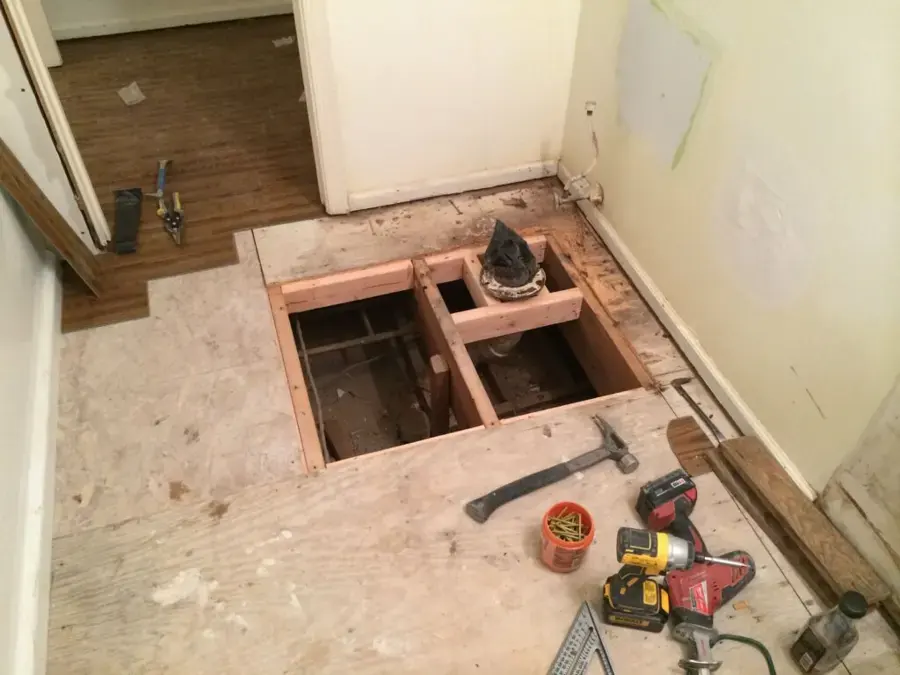 Mobile Home Water DamageMobile home parks like Twin City faced high water in Idalia, and decking and belly insulation need careful drying.How mobile home water damage is handled
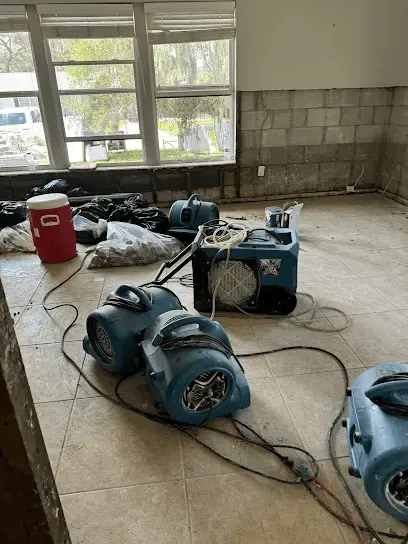 Structural DryingAfter Milton's 20 inches of rain, walls and floors in the humid climate need controlled, measured drying.How structural drying is handled
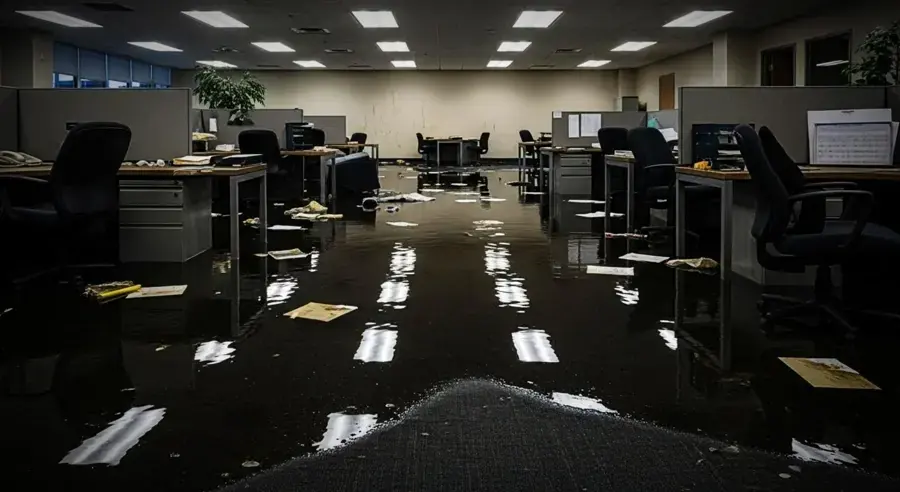 Commercial Water DamageDowntown offices, hotels and Central Avenue businesses face surge and main breaks, and phased work keeps operations moving.How commercial water damage is handled
From first walkthrough to dry verification
- 1
Arrival and moisture mapping
The technician walks the property, finds the source, photographs the damage and maps wet materials with meters and a thermal camera, so the plan matches the real extent of the loss.
- 2
Water removal
The extraction crew pumps standing water and pulls the rest from carpet, pad and hard floors, then removes materials that cannot dry in place, such as soaked insulation.
- 3
Equipment placement
Air movers, LGR dehumidifiers and cavity drying tools are placed by the readings. The drying team revisits to move or add units as the structure responds.
- 4
Dry verification and records
Equipment stays until every material reaches its dry standard on meter readings. Daily logs, photos and a final report go to the owner for any claim.
A bayfront city where surge, rain and mains all matter
St. Petersburg sits on the Pinellas Peninsula between Tampa Bay and the Gulf of Mexico, and Pinellas County says everyone in the county is in a flood zone. Creeks such as Salt Creek and Booker Creek, plus Bayboro Harbor, add to the water that moves through the city.
- August 2023Hurricane Idalia pushed about 4 feet of surge into the city, and Shore Acres and Snell Isle flooded.
- September 26, 2024Hurricane Helene put over 6 feet of surge into Shore Acres and flooded Snell Isle and Riviera Bay as well.
- October 9, 2024Milton brought over 20 inches of rain, a water main break and a boil water notice, and ripped the Tropicana Field roof.
What usually goes wrong in St. Petersburg
- Bay surge and low bowls. Shore Acres is shaped like a bowl, and Helene was its fourth flooding event in four years. Storm and flood cleanup starts with pumping and opening the floors.
- Cloudburst rain. Hurricane Debby delivered 10 to 11 inches over about 30 hours, while the city stormwater system is designed for 7.5 inches in 24 hours. Rain that outruns the drains ends up inside.
- Water main breaks. A 12 inch main broke near Central Avenue on September 6, 2026 and flooded downtown streets. Breaks like it can send water into storefronts and ground floors; see burst pipe water damage.
- Private sewer laterals. City code makes owners responsible for private sewer laterals, and in 2024 overflowing laterals discharged thousands of gallons of wastewater when the ground was saturated. Sewage backup cleanup covers the aftermath.
- Roofs and ceilings. Milton's wind and over 20 inches of rain damaged roofs across the area, and hurricane downpours can soak through into ceilings below.
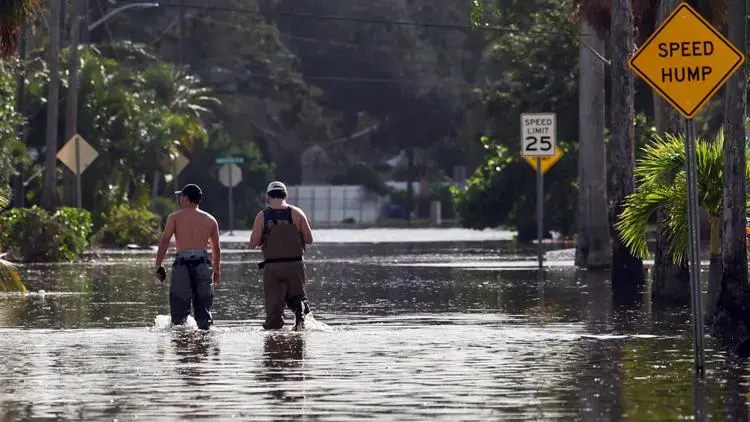
Clean, gray and black water are handled differently
Category 1, clean water
Water from a supply pipe, a tank or a fresh roof leak. It can often be dried in place, but only if handled quickly.
Category 2, gray water
Water from a dishwasher, washer or a clean source that sat for a day or more. Absorbent materials usually come out.
Category 3, black water
Surge, creek overflow and sewage are all contaminated. Porous materials are removed and everything else is cleaned and treated.
How long structures take to dry out
- Typical window
- Most wet rooms need three to five days of equipment, though the timing depends on materials, humidity and how much was wet.
- Slow materials
- Concrete slabs, hardwood and block walls hold moisture longer, and the humid subtropical air slows them further.
- Finish line
- Equipment is removed only after meter readings match the dry reference for each material, not after a set number of days.
What water damage restoration costs in St. Petersburg
Most St. Petersburg water damage jobs run from $600 to $16,000 or more. Price follows the amount of water, the category, the materials wet and how many drying days are needed.
- Contained clean water leak$600 to $2,200One or two rooms with extraction, baseboard checks and a short drying run on clean water.
- Several rooms or wet walls$2,200 to $6,500Opened wall bottoms, lifted flooring, and several days of air movers and dehumidifiers running.
- Floodwater or sewage$6,500 to $16,000+Surge or sewage means wide material removal, antimicrobial work and the longest drying runs.
Ranges are typical estimates, not quotes. An on site walkthrough with readings gives the real scope and price.
Documentation that supports a claim
Carriers want proof of when the loss began, what was wet and what was done about it. The restoration crew keeps the readings, photos and logs that answer those questions, ready in one packet for the adjuster.
Sudden discharge from a pipe, tank or appliance is often treated differently from rising flood or surge water, which many policies cover only through a separate flood policy. Coverage depends on your policy, so ask the carrier what applies before work begins.
- A moisture map showing every wet wall, floor and ceiling
- Timestamped photos of the damage taken before work starts
- The water category and drying class for each area
- Daily drying logs with readings and equipment counts
- An itemized scope of work and materials removed
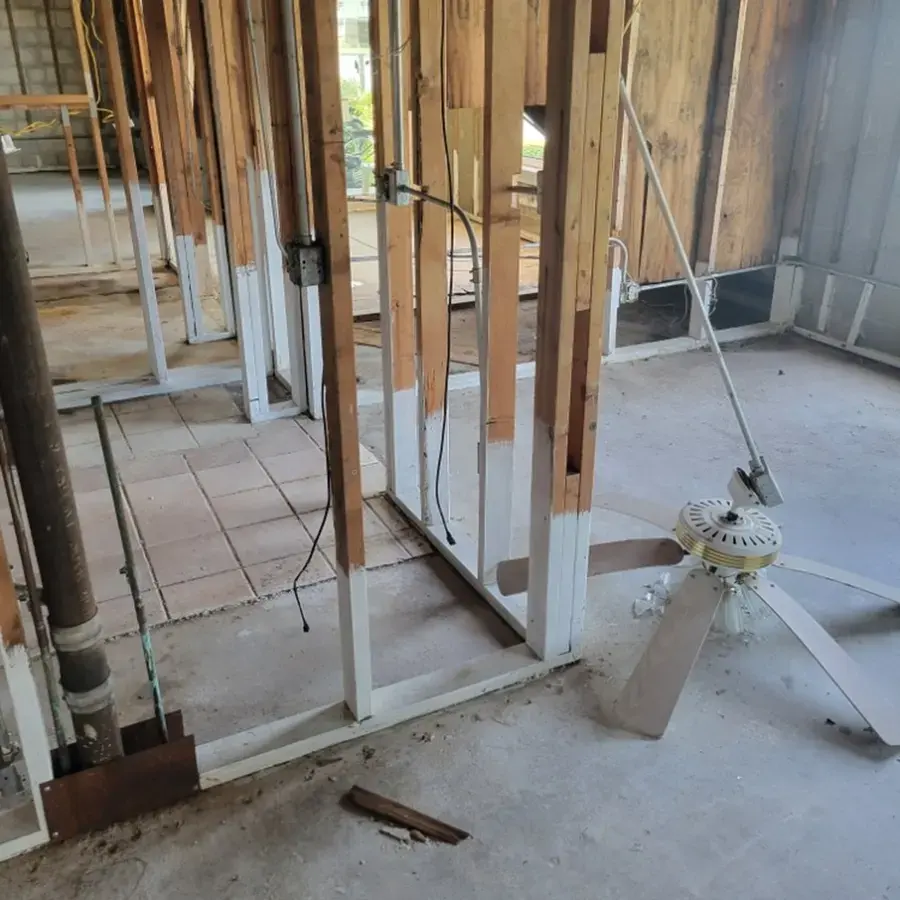
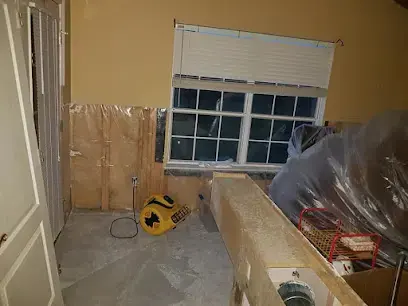
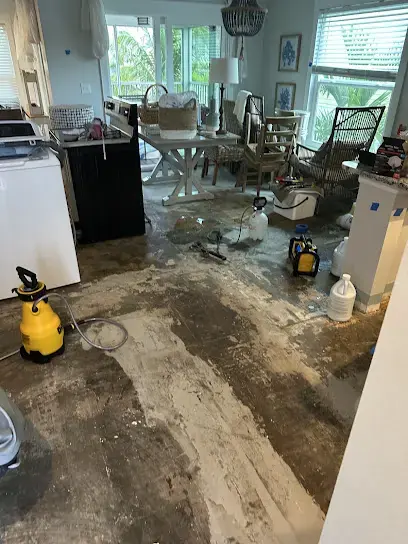
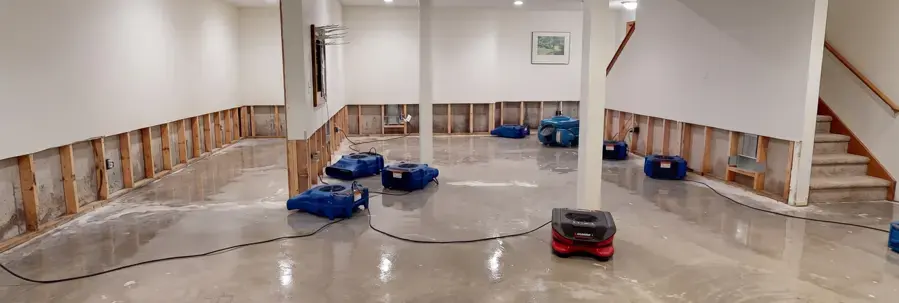
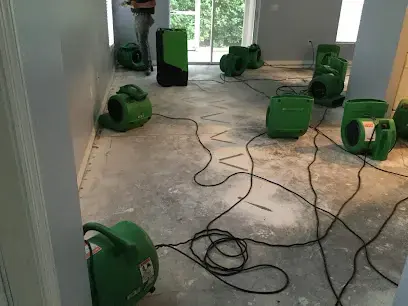
Representative photos of drying setups
Neighborhoods served across St. Petersburg
The St. Petersburg water damage pros work across the city, from Downtown St. Petersburg and the Grand Central District to Shore Acres, Snell Isle, Riviera Bay, Roser Park and Pasadena, covering every ZIP code listed below.
- Downtown St. Petersburg
- Shore Acres
- Snell Isle
- Riviera Bay
- Old Northeast
- Roser Park
- Pasadena
- Grand Central District
- ZIP 33701
- ZIP 33704
- ZIP 33705
- ZIP 33709
- ZIP 33713
Nearby city pages
St. Petersburg water damage questions
What should I do first after water gets into my home?
Stop the source if it is a plumbing failure, switch off power to wet areas only when it is safe, and photograph everything. Then call the crew so extraction and drying start before materials swell or spoil. Stay out of rooms where water is near electrical panels.
How quickly can a crew respond in St. Petersburg?
Dispatch runs 24/7, and arrival depends on the day's storm conditions, flooded streets and bridge traffic. The caller gets a realistic window instead of a promise.
Is my home in a flood zone?
Pinellas County says everyone in the county is in a flood zone, and flood zones, evacuation zones and surge risk are different things. The city has an online map showing flood hazard zones and FIRM panels.
Who is responsible when sewage backs up?
City code Section 8-169 makes owners responsible for maintaining private sewer laterals, so a plumber handles the pipe while the crew handles cleanup and treatment inside the home.
How long does drying take after a leak or flood?
Most wet rooms need three to five days of equipment, while slabs, hardwood and block walls take longer in humid weather. Drying ends when meter readings match the dry reference.
What does the S500 standard mean for my job?
S500 is the industry standard for professional water damage restoration. It governs water categories, drying classes, equipment placement and the readings that show a structure has reached its dry goal.
Will insurance pay for water damage restoration?
That depends on the policy and the cause. Sudden pipe or appliance discharge is often handled differently than flood or surge water, so the carrier decides after seeing readings, photos and the scope.
What makes Category 3 water so serious?
Category 3 water, such as sewage, bay surge and creek overflow, carries bacteria and other contaminants. Porous materials like carpet and pad are removed, and surfaces are cleaned and treated.
Does wet drywall always need to be cut out?
Not always. Clean water caught early can sometimes dry in place, but drywall soaked by sewage or surge, or left wet too long, gets cut out above the water mark so the cavity can dry.
What is the difference between mitigation and repair?
Mitigation stops the damage from spreading by removing water and drying the structure. Repair, such as new drywall and paint, follows once readings show the structure is dry. Records from each visit are kept so the work can be verified later.
Water in a St. Petersburg property? Call now
The St. Petersburg water damage pros answer around the clock, from low neighborhoods to downtown towers. Call and describe the loss so the crew can plan the right equipment.