Water Heater Leak Cleanup in St. Petersburg, FL
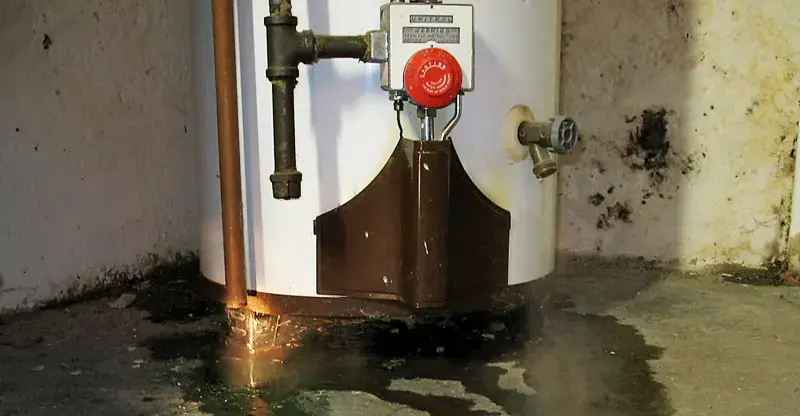
A water heater that fails can release a full tank across a garage slab or into a closet, a laundry room and the walls beside it. The extraction crew removes the water, checks shared walls and cabinets and dries the area, while a plumber handles the tank.
(888) 621-2041Water heater leaking? Call the cleanup crew- Tank water extraction
- Shared wall drying
- Cabinet base checks
- Laundry floor drying
Quick steps after a tank starts leaking
- 1
Close the cold valve
Shut the cold water supply to the tank, usually on top, so it stops refilling.
- 2
Turn off power or gas
Switch off the breaker for an electric tank or set a gas unit to off, and keep clear of wet wiring.
- 3
Move belongings
Lift boxes, laundry and stored items off a wet floor and out of the garage or closet.
- 4
Photograph the tank
Capture the tank, the puddle and any stained walls or flooring before cleanup.
A full tank can reach a lot of floor
Tank water spreads outward until it meets walls, door thresholds or drains, then wicks up drywall and into adjoining rooms. The technician checks shared walls and nearby flooring with meters.
- Water category
- Category 1 at the tank, Category 2 if it crossed soiled flooring.
- Typical class
- Class 2, with wall bottoms and flooring wet.
- Equipment
- Extractors, air movers, LGR dehumidifiers and wall drying tools.
- Drying goal
- Slab, flooring and wall bottoms at the dry reference.
Water heaters often fail gradually, then all at once. A pinhole leak or a corroded fitting can drip for weeks before a seam gives way and sends the contents across the floor. Tanks usually sit in garages, closets or laundry rooms with finished flooring and walls close by, so the water has plenty of ways to spread. A leak that starts at the drain valve or the pressure relief pipe can look minor, yet it may run whenever the tank heats.
Where tank water goes
- Across the garage slab toward the door and the shared wall
- Into a closet floor and the baseboards around it
- Under laundry room flooring and into cabinet bases
- Into the bottoms of walls next to the tank
- Out into the hallway if the door threshold lets it pass
Tank leaking in St. Petersburg? Ask the crew about drying.
(888) 621-2041Call the crewWhat the crew does
The extraction crew pulls water from the floor first, then the technician checks drywall, trim, cabinets and flooring with meters. Baseboards come off where needed, wet insulation is removed and equipment dries the area. Garage slabs usually dry faster than finished interior floors. Wet drywall at the shared wall of a garage or utility closet is the most common surprise, since the damage is out of sight. Pooled water that has reached the hallway goes first through water extraction.
Replacing the heater
Replacement is the plumber's job. The city's list of exempted permits says the exemption does not apply to installing or replacing a water heater, so a new tank typically involves a permit. The restoration crew keeps drying records ready, so the claim has a clear timeline. Keeping the old tank for the adjuster, when asked, avoids disputes over the cause of the failure.
When a different appliance is the source, see appliance leak water damage for the matching steps.
What does water heater leak cleanup cost in St. Petersburg, FL?
Water heater leak cleanup in St. Petersburg usually costs $600 to $4,000 or more. A garage slab leak sits at the low end, and a tank that soaked flooring, cabinets and several rooms sits at the high end.
Garage slab floor
$600 to $1,500
- Water extraction
- Shared wall drying
- Short equipment setup
Closet or laundry
$1,500 to $3,000
- Flooring and baseboards
- Wall bottoms opened
- Cabinet drying
Several rooms wet
$3,000 to $4,000+
- Flooring lifted
- Flood cuts made
- Longer drying
Tank size, floor type, how long it leaked and whether cabinets or finished flooring were wet drive the cost. Shared walls and extra drying days add to it. Try your own figures in the Palmetto water damage cost calculator.
How water heater leak cleanup is handled in St. Petersburg
- 1
Stop and extract
With the supply closed, the crew pulls tank water off the floor.
- 2
Check what it reached
Meters show wet walls, trim, cabinets and flooring beyond the puddle.
- 3
Open where needed
Baseboards come off and wall bottoms are opened only where readings call for it.
- 4
Dry and record
Equipment runs until readings are back to normal, with daily logs kept.
Coverage across St. Petersburg, FL
The St. Petersburg water damage pros work across the city, from Downtown St. Petersburg and the Grand Central District to Shore Acres, Snell Isle, Riviera Bay, Roser Park and Pasadena, covering every ZIP code listed below.
Browse the full Palmetto coverage listWater heater leak questions
Is water heater water clean?
At the tank it is clean, but it can pick up dirt or chemicals from garage floors, so the category depends on what it crossed. Hot water that leaked can scald, so touch it carefully.
Do I need a permit for a new heater?
The city's exempted permit list says installing or replacing a water heater is not exempt, so ask the city or the plumber.
Can a garage slab dry quickly?
Slabs without finished flooring often dry faster than interior floors, though shared walls still need checking. Concrete holds water longer than it looks.
Is a leaking tank covered?
A sudden discharge may be treated differently from a long term leak, so the carrier decides after reviewing the records. Photos of the tank and the date of the leak help.
Do cabinets need to be removed?
Only if the bases stay wet after drying or the material swells beyond repair. Swollen particle board cannot be saved.
Who fixes the heater?
A plumber repairs or replaces it. The crew handles the water and the drying.
Should the tank be drained before replacement?
A plumber normally drains and disconnects the old tank. The crew should dry the floor and walls around it first or in step, so the new unit does not sit on damp materials.
Water heater leak? Call the cleanup crew
The restoration crew extracts tank water, checks shared walls and cabinets and dries the area until readings are normal.