Water Damage Restoration Sarasota, FL
Helene's surge, Debby's record rain and ordinary pipe failures leave Sarasota homes wet in very different ways. The restoration crew maps moisture, extracts standing water, sets drying equipment and logs readings every visit until walls, floors and ceilings reach a dry standard, from downtown to the barrier islands.
(888) 621-2041Water spreading in Sarasota? Call the crew now- 24/7 Sarasota dispatch
- S500 based drying plans
- Pump and extraction gear
- Moisture readings each visit
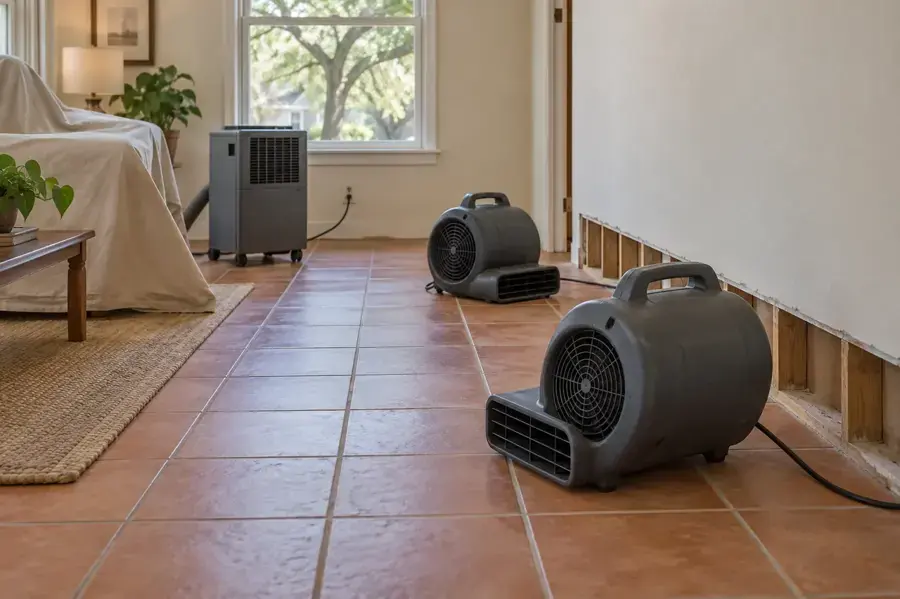
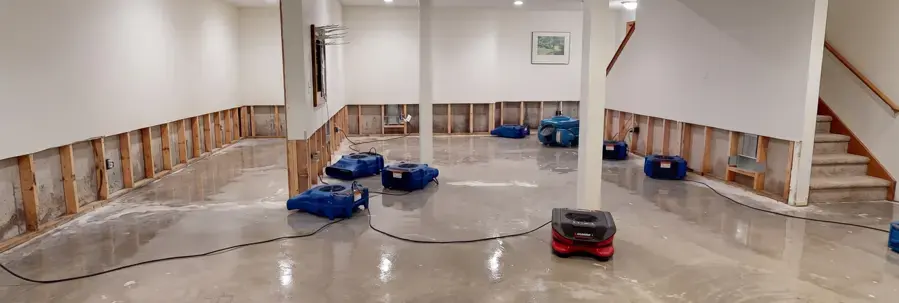
Representative photo of a drying setup, not a specific Sarasota job site.
What to do while the water is still spreading
- 1
Shut off the source
Close the valve feeding the leak, or leave moving floodwater alone until it is judged safe. After a storm, stay out of rising water.
- 2
Cut power to wet areas
Switch off breakers serving wet rooms and keep away from outlets, cords and appliances standing in water until an electrician clears them.
- 3
Think about contamination
Water from a toilet, a drain or a flooded street should be treated as unsafe. Children, pets and anyone with health issues should stay clear.
- 4
Photograph everything
Take timestamped photos and video of the water, the damage and the belongings before anything is moved, since adjusters rely on them.
- 5
Lift valuables, then call
Raise small items, pull rugs and move electronics off wet floors, then call so the extraction crew can get pumps and equipment moving.
Anything involving sewage, storm floodwater or a hot electrical panel needs professional handling. Staying out of the affected rooms protects health while the crew arranges equipment and a safe entry.
Every kind of water loss, handled by cause
Sarasota homes and businesses get wet from storms, supply failures, appliances and drains. Each service below is matched to the source and the materials involved.
 Water ExtractionPumps and truck mounted extractors pull standing water from ground floor rooms after Debby style rain or a storm surge.How water extraction is handled
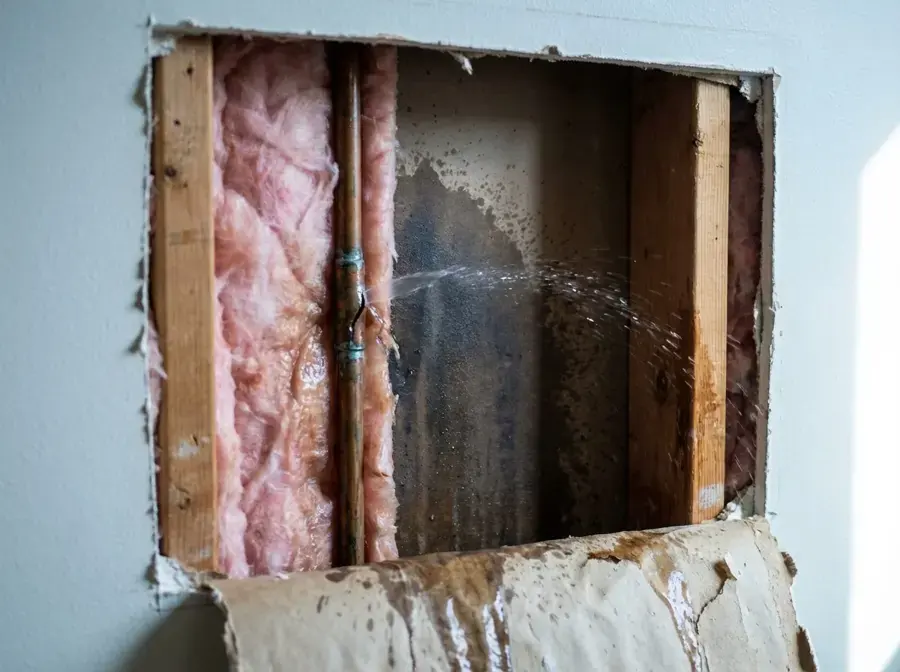 Burst Pipe Water DamageFailed fittings and cracked supply pipes are shut off, extracted and dried inside the wall cavity.How burst pipe water damage is handled
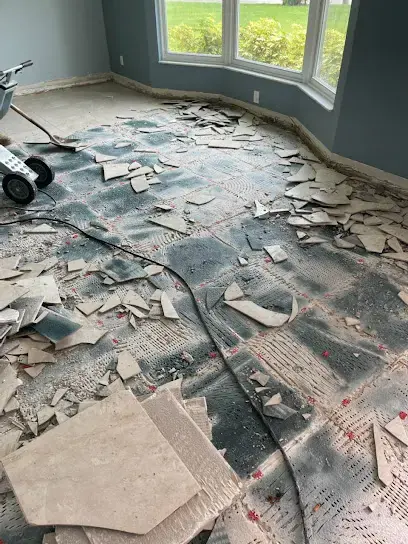 Slab Leak Water DamageLeaks under concrete floors are traced, then tile, flooring and the slab itself are dried.How slab leak water damage is handled
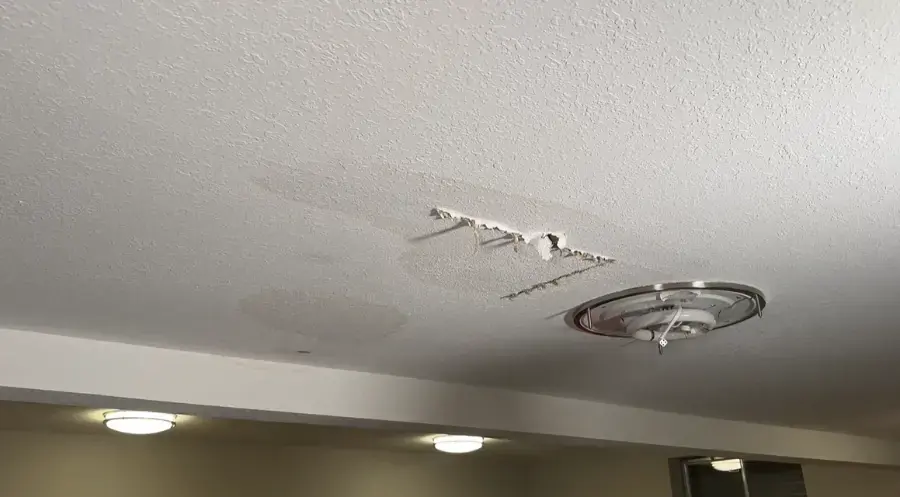 AC Leak Water DamageClogged condensate drains and overflowing pans soak closets, ceilings and floors during the long humid season.How AC leak water damage is handled
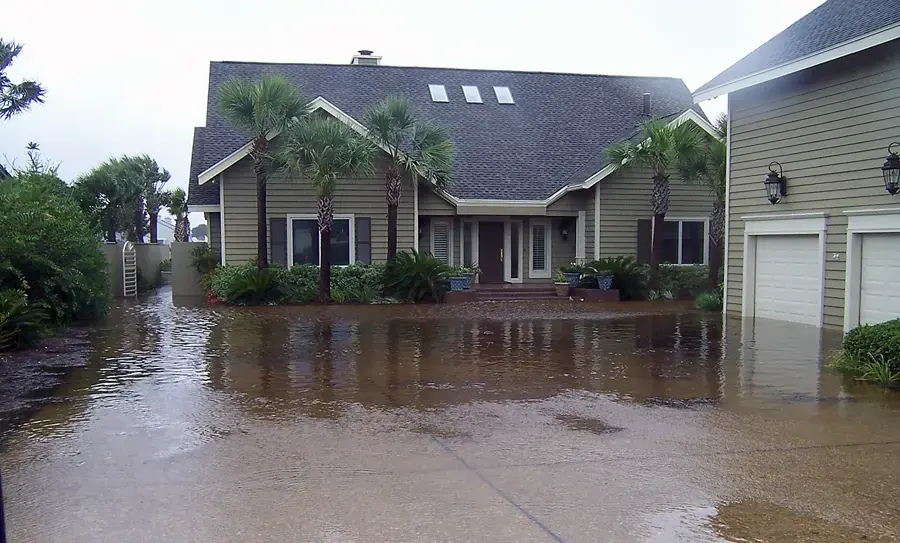 Storm and Flood CleanupSurge and heavy rain loss, from silt and wet drywall to flooring and cabinets, is cleared and dried.How storm and flood cleanup is handled
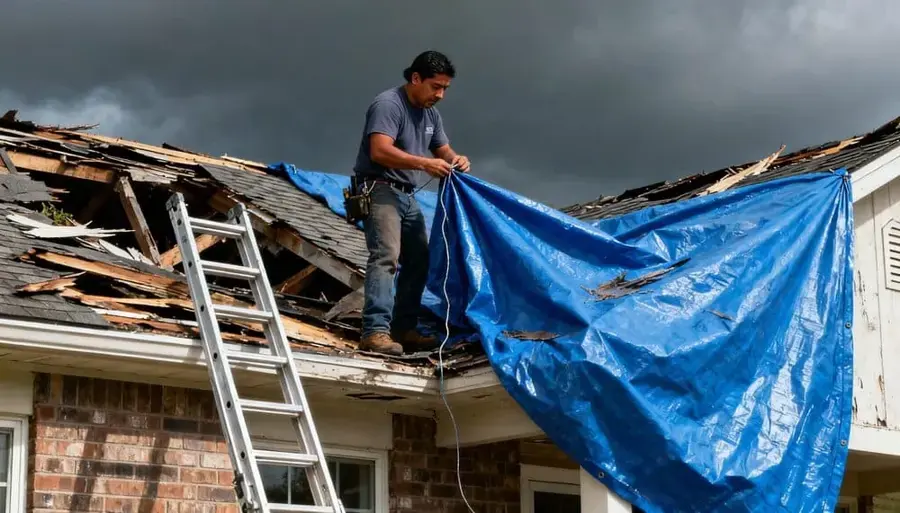 Roof Leak Water DamageWind damaged or worn roofs let rain into attics and ceilings, which are tarped, opened and dried.How roof leak water damage is handled
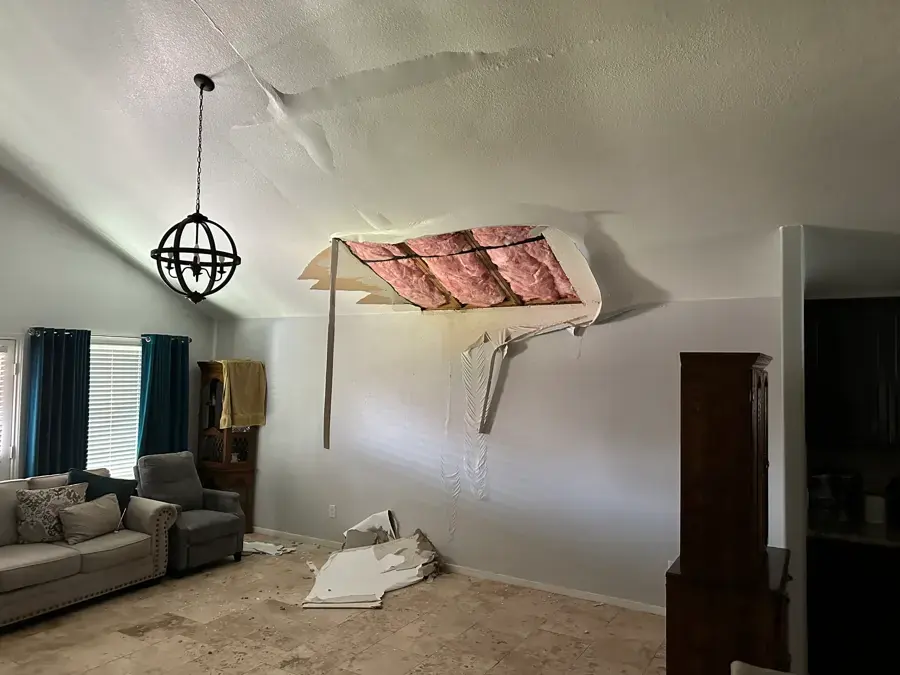 Ceiling Leak Water DamageStains, sagging drywall and drips are traced upward to the leak, then drained, removed and dried.How ceiling leak water damage is handled
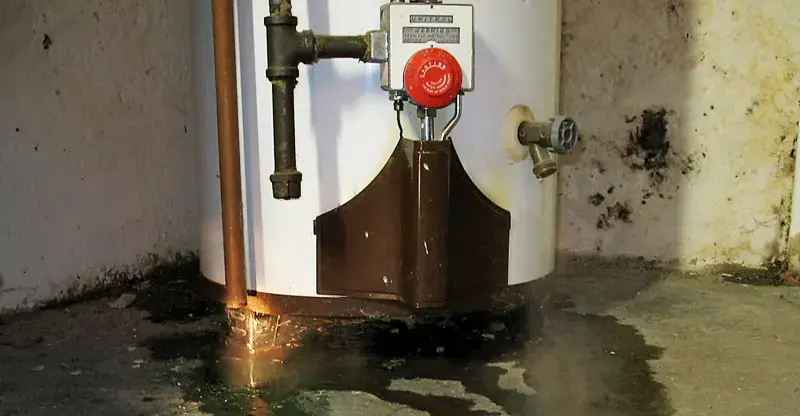 Water Heater Leak CleanupTank failures flood garages, closets and laundry rooms, so water is extracted and shared walls are dried.How water heater leak cleanup is handled
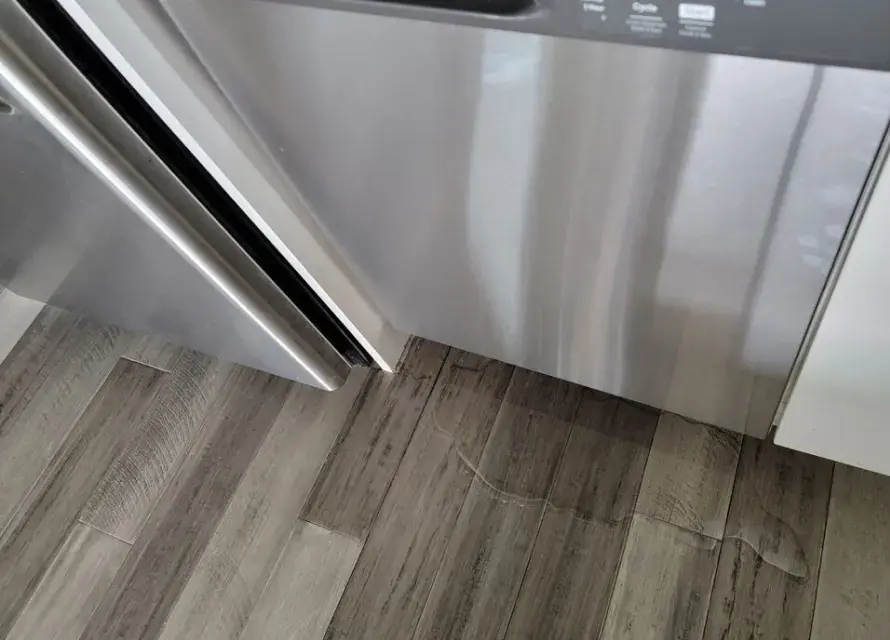 Appliance Leak Water DamageDishwasher, refrigerator and washer leaks that seep under cabinets and plank flooring are located and dried.How appliance leak water damage is handled
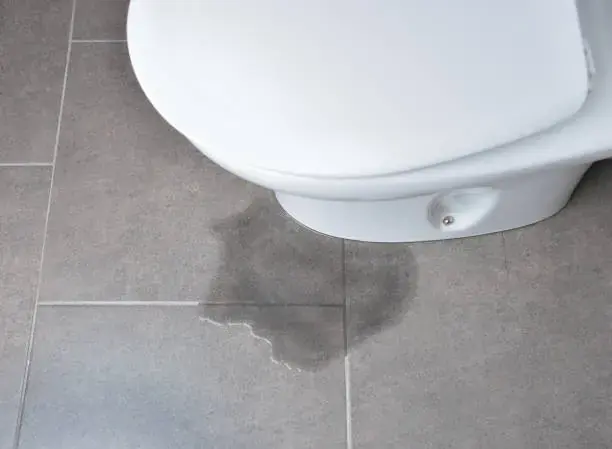 Toilet Overflow CleanupOverflows are sorted by category, then cleaned, treated and dried before the water reaches other rooms.How toilet overflow cleanup is handled
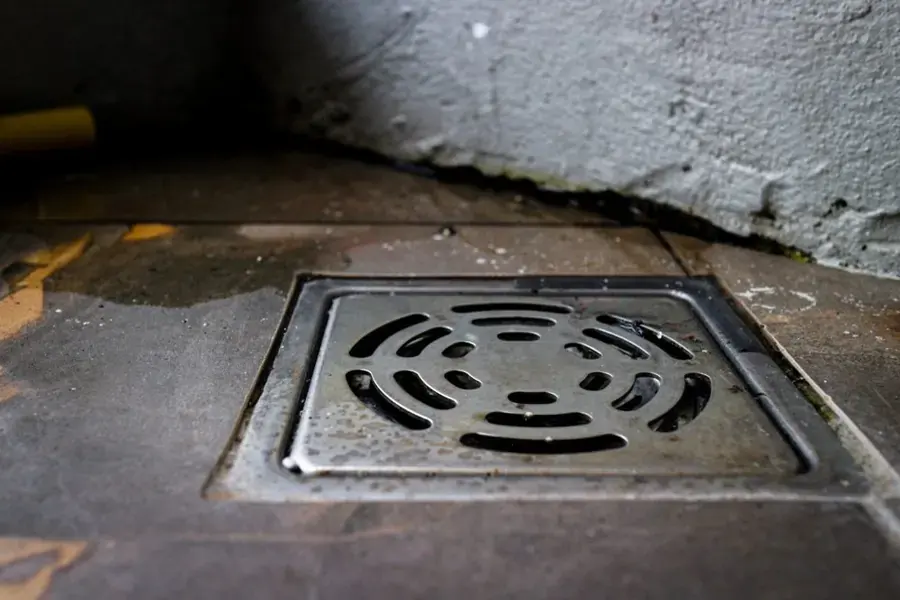 Sewage Backup CleanupBackups from drains and the sewer are contained, removed and treated under Category 3 handling.How sewage backup cleanup is handled
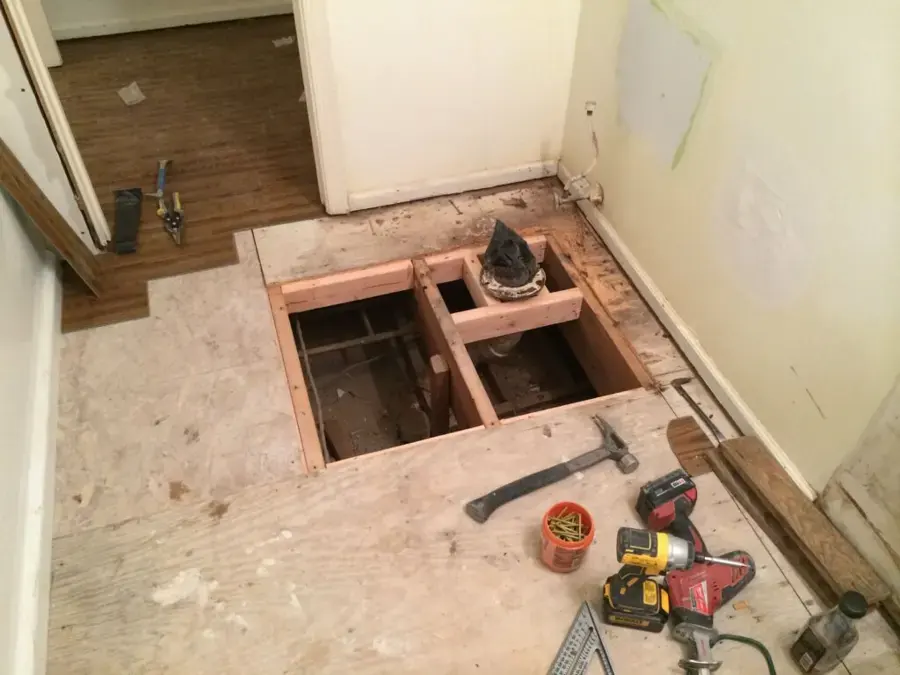 Mobile Home Water DamageWet decking, belly insulation and framing in mobile homes are opened, dried and checked.How mobile home water damage is handled
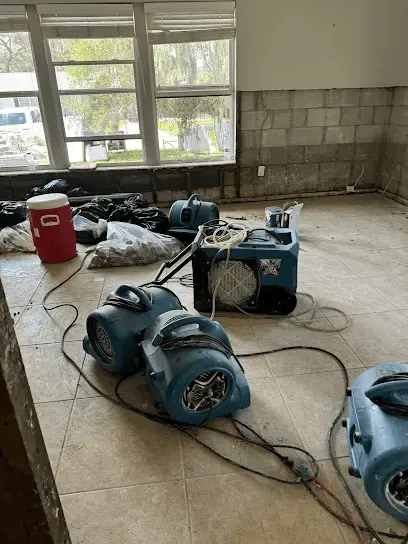 Structural DryingHumid summers slow evaporation, so walls, subfloors and slabs get monitored drying until readings reach a dry standard.How structural drying is handled
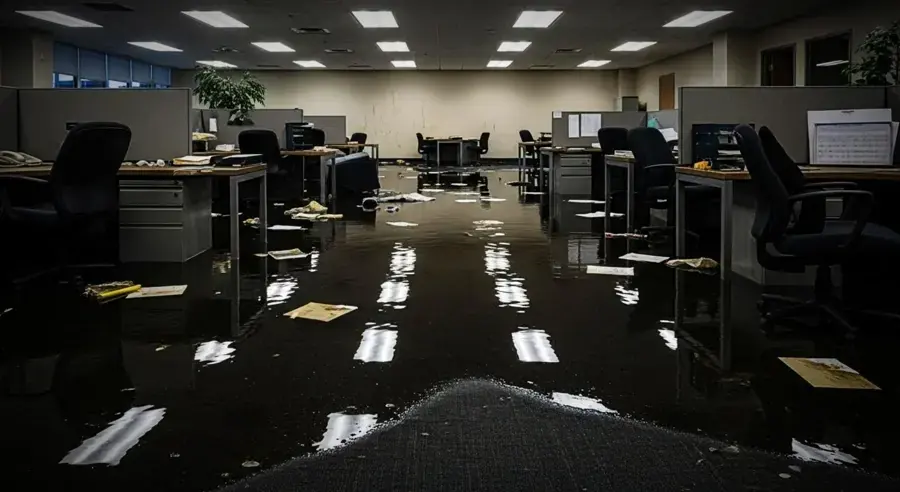 Commercial Water DamageShops, offices and restaurants, including St. Armands Circle storefronts, get phased drying that limits downtime.How commercial water damage is handled
Four stages from first call to dry walls
- 1
Inspect and map moisture
The technician on the walkthrough finds the source, checks the water category and maps wet materials with meters and a thermal camera. Photos are taken for the file.
- 2
Extract standing water
Pumps and extractors pull water off floors and out of carpet pad first, because standing water keeps wicking into walls and wood. Contaminated water is handled separately.
- 3
Set drying equipment
Air movers, LGR dehumidifiers and wall cavity drying tools go in, with wet pad, baseboards or drywall removed where drying alone will not work, and doors closed to concentrate the drying.
- 4
Verify and document
Readings are logged each visit and compared with unaffected materials, and the equipment leaves only after the wet areas reach the dry standard. The final report supports the insurance file.
A bayfront city where creeks and surge reach the streets
Sarasota sits on Sarasota Bay at about 20 feet of elevation, and its limits take in the barrier islands Lido Key, St. Armands Key, Bird Key and the northern part of Siesta Key. The city's draft Floodplain Management Plan names Phillippi Creek, Hudson Bayou and Whitaker Bayou as inland areas at significant risk of compound flooding.
- June 11, 2024Nearly 10 inches of rain fell on coastal Sarasota in one downpour after months of drought, causing flash flooding.
- August 4 to 6, 2024Debby set a daily record of 9.52 inches, forced evacuations in Centre Lake, flooded homes along Phillippi Creek and closed Bahia Vista Street and Beneva Road.
- September 26, 2024Helene's surge of over 4 feet flooded coastal Sarasota, Harbor Drive and St. Armands Circle, and Milton followed on October 9.
Five common ways water enters a Sarasota property
- Surge and creek flooding. Helene's surge topped 4 feet along the coast, and Debby sent Phillippi Creek water into streets. Both cases call for storm and flood cleanup.
- Roof and wind openings. Milton's winds near 120 mph and a rainy season that runs March to November test every roof, and wet insulation can follow. See roof leak water damage.
- Humid air conditioner leaks. Summer heat indexes over 100 degrees keep air conditioners cycling, and a clogged condensate drain can soak a closet or ceiling before anyone notices.
- Sewer blockages. Floods can overwhelm drains, and the City of Sarasota Utilities Department handles wastewater collection inside the city. Backups inside a building need sewage backup cleanup.
- Everyday plumbing failures. Supply fittings, water heaters and appliance hoses fail in any season, and wet cabinets or slab floors hide moisture long after the surface looks dry.
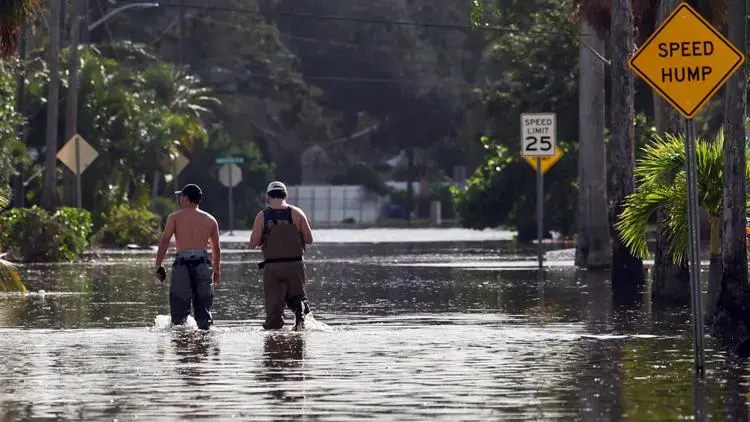
Clean, gray and black water are treated differently
Category 1, clean water
Supply pipe breaks and tank overflows start clean, but the water degrades once it soaks into pad, drywall and wood.
Category 2, gray water
Dishwasher and washer discharge, or clean water that sat too long, carries contaminants and calls for cleaning and removal of porous materials.
Category 3, black water
Sewage, toilet waste and storm floodwater carry harmful bacteria. Affected carpet, pad and drywall are removed and the area is treated under containment.
How long drying takes in a humid coastal climate
- Typical timeline
- Most wet rooms need several days of equipment, longer after a flood or when water reached insulation and wall cavities.
- Dense materials
- Concrete slabs, hardwood and framing hold moisture longest and may need desiccant units or drying mats rather than air alone.
- When drying ends
- Drying ends when readings match the dry standard for each material, and summer humidity can stretch the schedule.
What water damage restoration costs in Sarasota
Water damage restoration in Sarasota usually runs from $600 to $16,000 or more, depending on the water category, how many rooms are wet, the materials affected and how long drying takes.
- Small clean water leak$600 to $2,200One or two rooms of clean water, extracted and dried in a short equipment run with baseboards pulled.
- Several rooms or flood cuts$2,200 to $6,500Several rooms wet, with flood cuts, wet pad removal, more air movers and a longer drying schedule.
- Storm surge or sewage$6,500 to $16,000+Surge, sewage or long running leaks, with Category 3 removal, wide demolition and extended drying days across several rooms.
Final cost depends on the walkthrough findings, the water category and the drying logs behind the written scope.
Documentation that supports a claim
Adjusters look for proof of when the water arrived and what it touched. The restoration crew records moisture maps, dated photos, drying logs and equipment lists from the first visit so a claim rests on facts instead of memory alone.
Sudden discharge from a burst pipe or failed appliance is often treated differently from flood or surge damage, and flood losses usually sit under a separate policy. Coverage depends on your policy, so check the water and flood sections or ask the carrier.
- Moisture map showing every wet room and material found
- Timestamped photos taken before anything gets moved or discarded
- Water category and drying class recorded for each area
- Daily drying logs with readings and equipment counts
- Itemized scope listing what was removed, dried and replaced
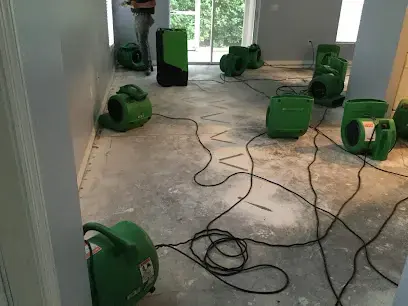
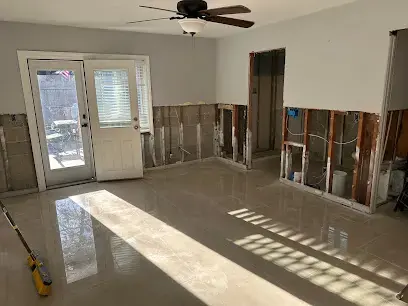
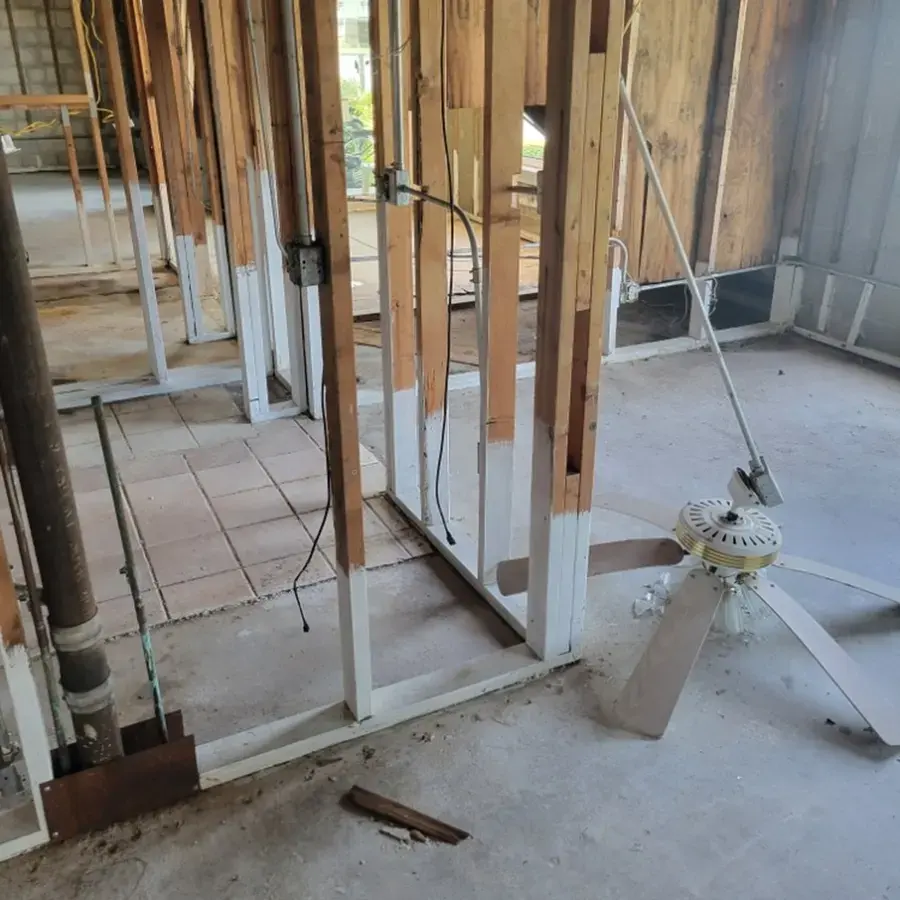
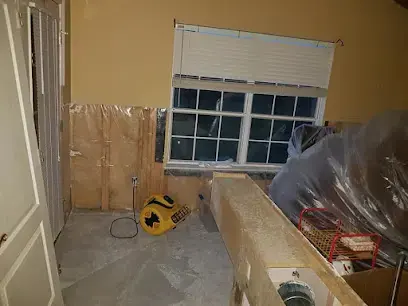
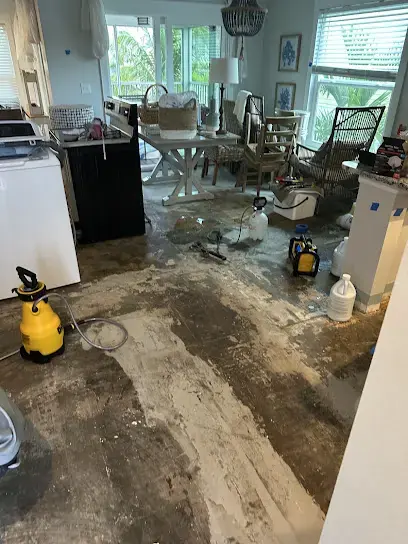
Representative photos of extraction, flood cuts and drying
Water damage crews across Sarasota
Water damage crews work throughout the City of Sarasota, from downtown and the Rosemary District to Siesta Key and the other barrier islands, including ZIP code 34236 and the US 41 and US 301 business corridors.
- Gillespie Park
- Pinecraft
- Harbor Acres
- Tri-Par Estates
- Newtown
- Rosemary District
- Laurel Park
- Bird Key
- Lido Key
- St. Armands Key
- Siesta Key
- Centre Lake
- ZIP 34236
Other cities served
Sarasota water damage questions
What should I do first when water enters my Sarasota home?
Stop the source if it is a pipe or appliance, switch off power to wet areas, photograph the damage and call a restoration crew. After storm surge, stay out of the water until it is judged safe.
Does the crew work nights and weekends?
Dispatch runs 24/7 because pipes and storms do not follow business hours. Active water gets attention first, with extraction started before the paperwork and drying plan are finished, and the crew schedules follow up visits around the readings.
Is my Sarasota home in a flood zone?
Zones change. New FEMA maps shifted about 40,000 Sarasota County parcels in or out of high risk zones in 2015, and federally backed lenders require flood insurance in high risk zones. Check the current map for your parcel.
What if sewage backs up inside the house?
Keep everyone out of the area and stop using fixtures. Sewage is Category 3, so the crew contains the space, removes porous materials and treats surfaces. Problems with the public system go to the City of Sarasota Utilities Department, which handles wastewater collection in the city.
How long does drying usually take?
Most wet rooms need several days, and dense materials take longer. Humid Sarasota summers slow evaporation, so the crew checks readings each visit and removes equipment only when the dry standard is met. Dense materials such as slabs and hardwood can take longer.
What is the S500 standard?
S500 is the industry standard for professional water damage restoration. It sets how water is categorized, how drying is planned and how results are verified with moisture readings. Following it means the job ends on measured numbers, not on a guess.
Will my insurance cover the cleanup?
Coverage depends on your policy, and the adjuster decides. What the crew can do is document the loss with moisture maps, dated photos and drying logs, which support a plumbing claim or a flood claim alike.
Why is black water handled differently?
Category 3 water, from sewage or storm floodwater, carries bacteria. Carpet and pad are discarded, drywall is cut out and surfaces are treated before drying starts. Skipping that step risks leaving contamination behind walls and floors.
Does wet drywall always have to be removed?
Not always. Clean water that is caught early can often be dried in place, while drywall touched by sewage or floodwater, or left wet for too long, is usually cut out.
Is mitigation the same as repair?
Mitigation stops the damage and dries the structure. Repair and rebuild, such as new drywall, paint and flooring, comes afterward, once readings show the materials are dry. A separate contractor often handles the rebuild.
Water in your Sarasota property? Act now
The Sarasota water damage pros bring extraction, drying equipment and written moisture records to storm, plumbing and sewage losses, from small leaks to whole floors.