Water Damage Restoration Gulfport, FL
Boca Ciega Bay tides, heavy rain and an inadequate storm sewer system push water into Gulfport homes and waterfront businesses after big storms. The restoration crew extracts standing water, opens wet walls, sets drying equipment and records moisture readings until the structure reads dry.
(888) 621-2041Water on the floor? Tap to reach the crew- Gulfport crews on call 24/7
- S500 drying method
- Bay surge extraction
- Readings logged daily
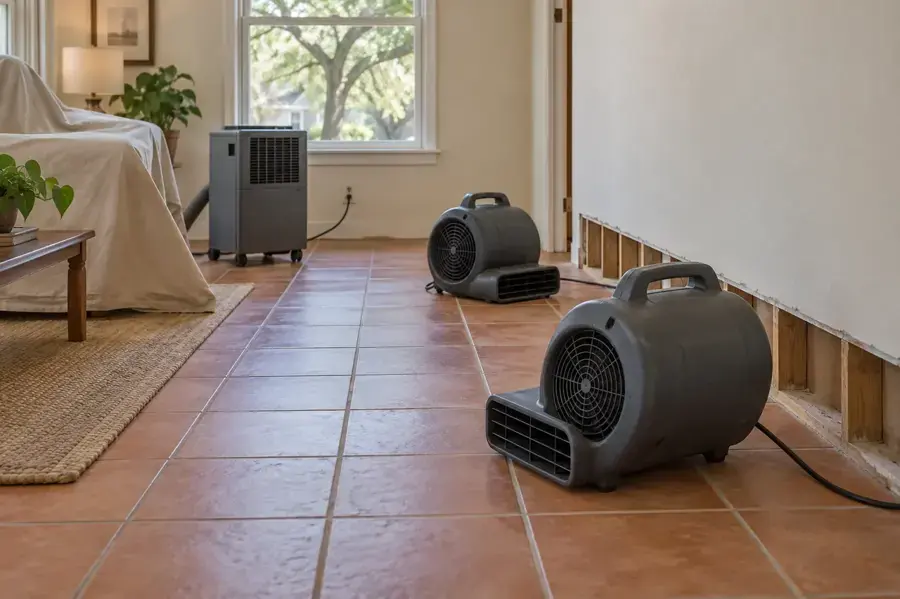
Representative job photo; equipment and floor finishes vary by home and flood depth.
What to do while the water is still moving
- 1
Cut the supply
Shut the main valve or the fixture valve. If surge or rain is the source, move to higher ground and leave the water alone.
- 2
Kill the power
Turn off breakers to wet rooms only if the panel is dry and reachable. Never wade through standing water near outlets or cords.
- 3
Lift what you can
Raise cushions, rugs, electronics and papers off wet floors. Furniture legs stain wood and tile quickly, so propping matters.
- 4
Photograph everything
Take timestamped photos of the waterline, damaged belongings and the source before anything is moved or thrown away.
- 5
Call the crew
Phone the Gulfport water damage pros early, because wet drywall and flooring decline quickly while the claim details are fresh.
Floodwater from the bay or a sewer backup counts as contaminated. Keep children and pets out, skip the household vacuum, and leave that water to trained crews wearing protective gear.
Fourteen ways the crew handles Gulfport water losses
Each service page covers causes, steps, price ranges and drying details for Gulfport properties, from bay flooding to a slow appliance leak.
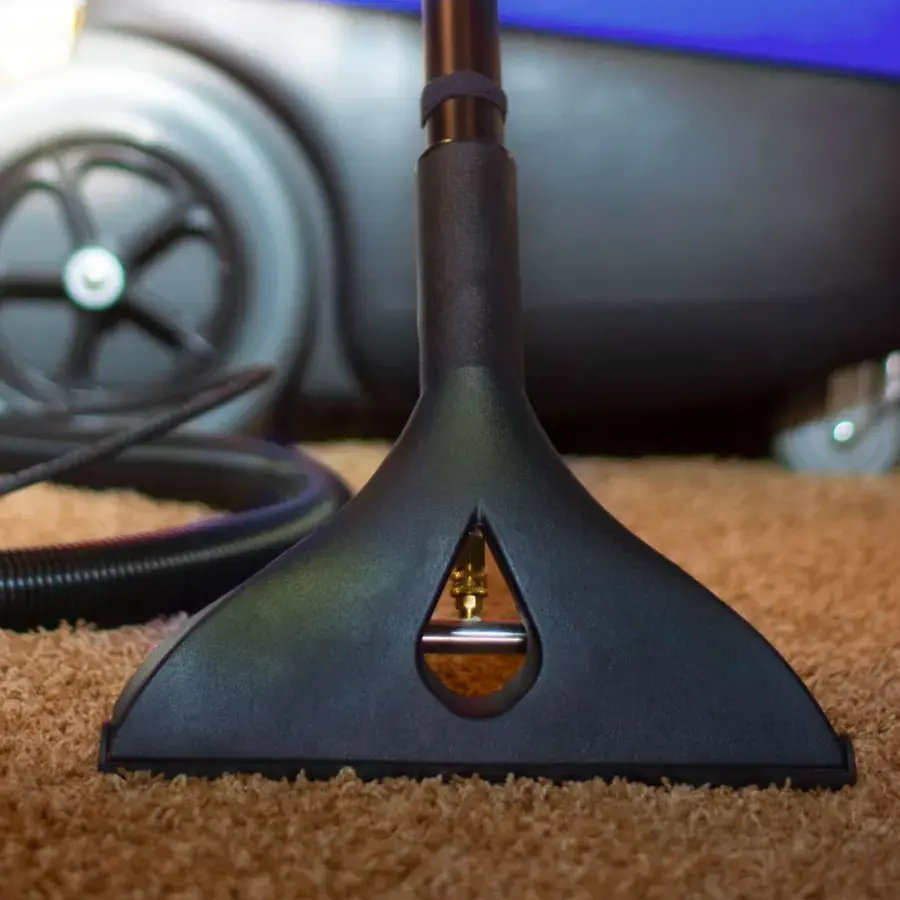 Water ExtractionExtraction crews pull bay surge and rain water off low Gulfport floors before it wicks into pad and wall bottoms.How water extraction is handled
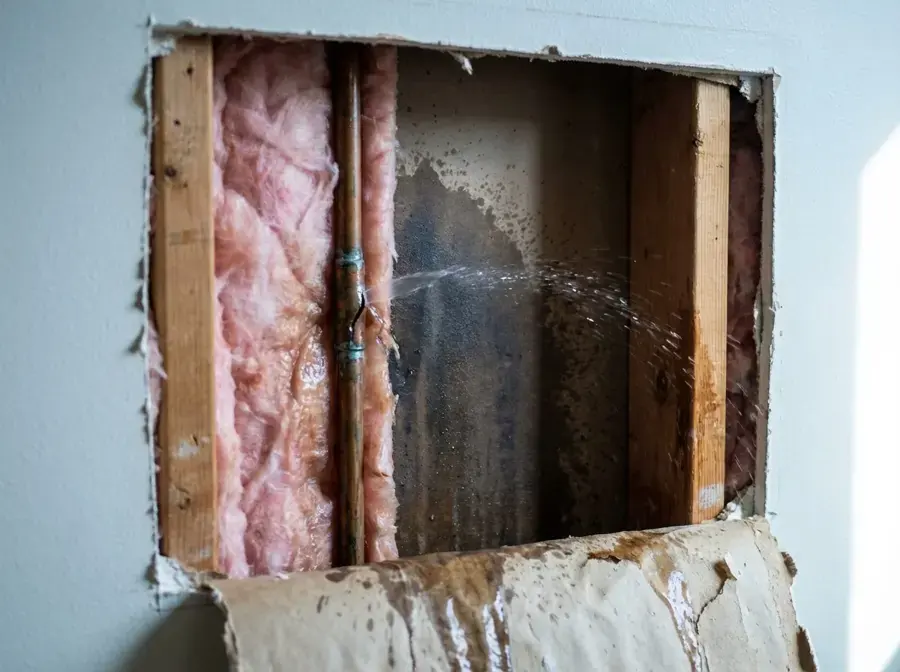 Burst Pipe Water DamageA split supply pipe floods a wall or ceiling quickly; the crew finds the wet path and dries it.How burst pipe water damage is handled
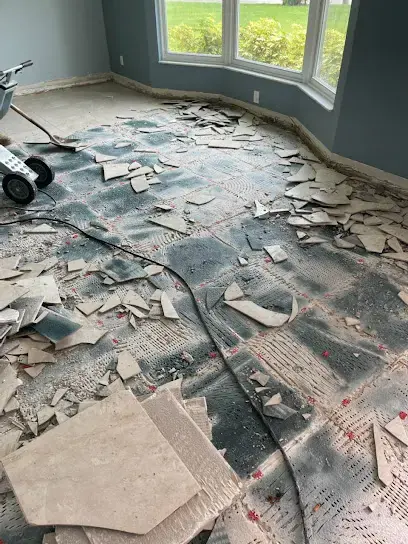 Slab Leak Water DamageHidden leaks under concrete floors show up as warm tile or damp grout, then get traced and dried.How slab leak water damage is handled
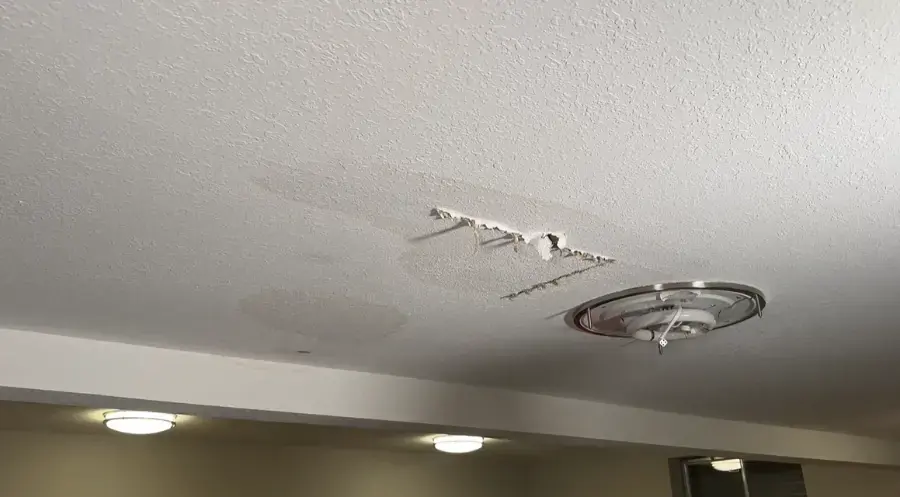 AC Leak Water DamageClogged condensate drains and overflowing air handler pans soak closets, ceilings and flooring below the unit.How AC leak water damage is handled
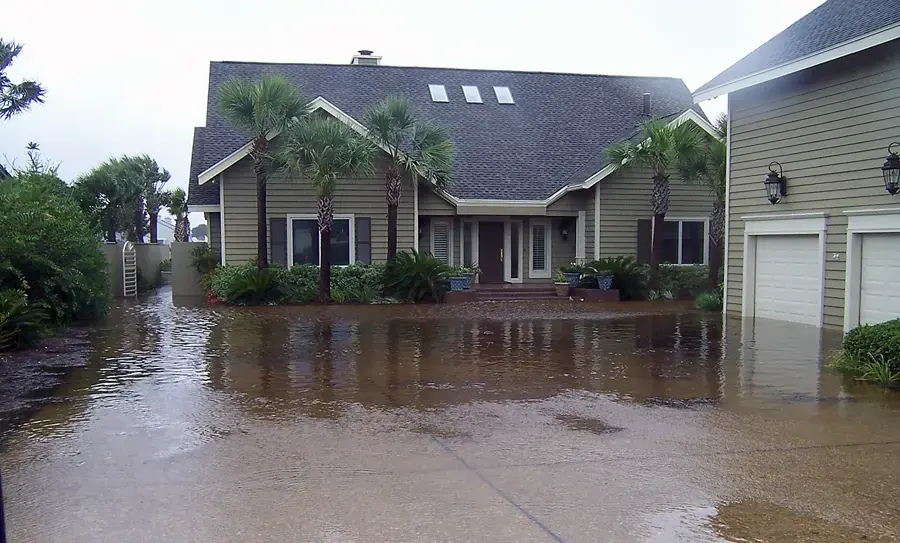 Storm and Flood CleanupSurge and heavy rain across the floodplain areas call for silt removal, flood cuts and thorough drying.How storm and flood cleanup is handled
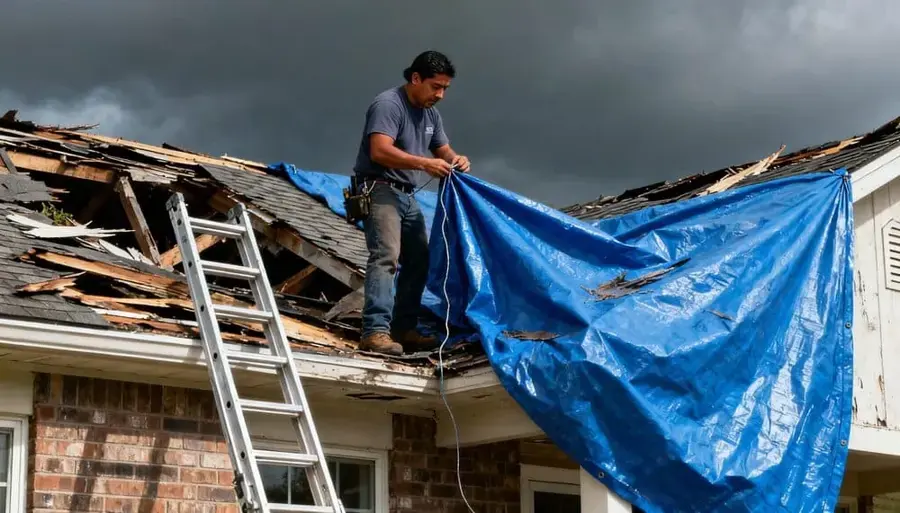 Roof Leak Water DamageWind-driven rain after a coastal storm finds its way past shingles and into attics and ceilings.How roof leak water damage is handled
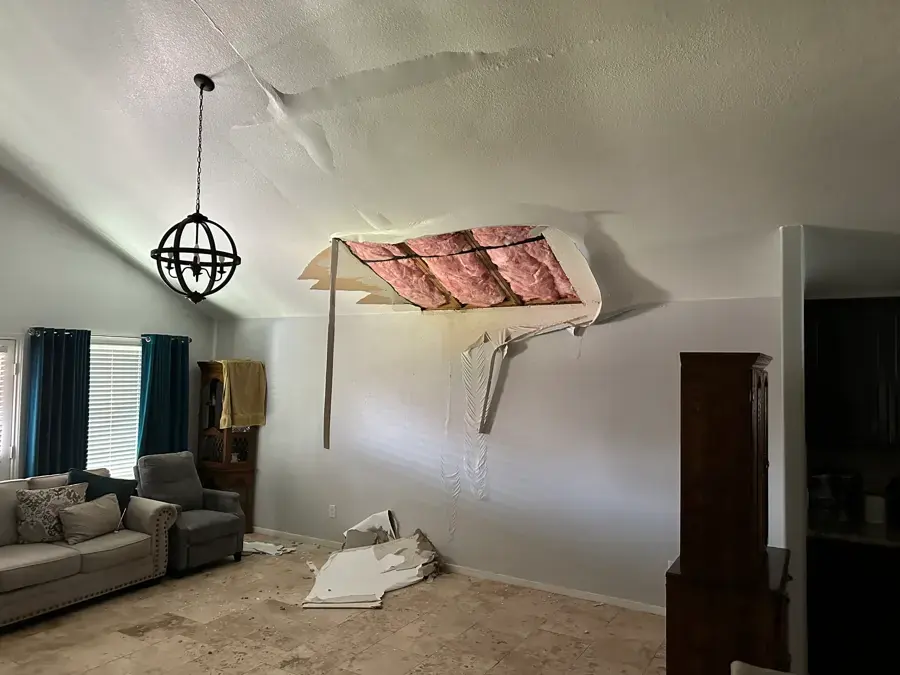 Ceiling Leak Water DamageStained or sagging ceilings get moisture mapping, drained drywall and drying above the joists.How ceiling leak water damage is handled
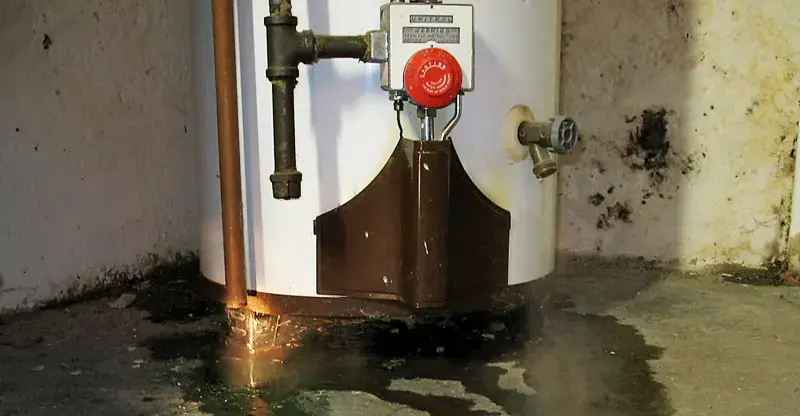 Water Heater Leak CleanupA leaking tank or failed fitting soaks garage slabs, closets and laundry rooms until extraction starts.How water heater leak cleanup is handled
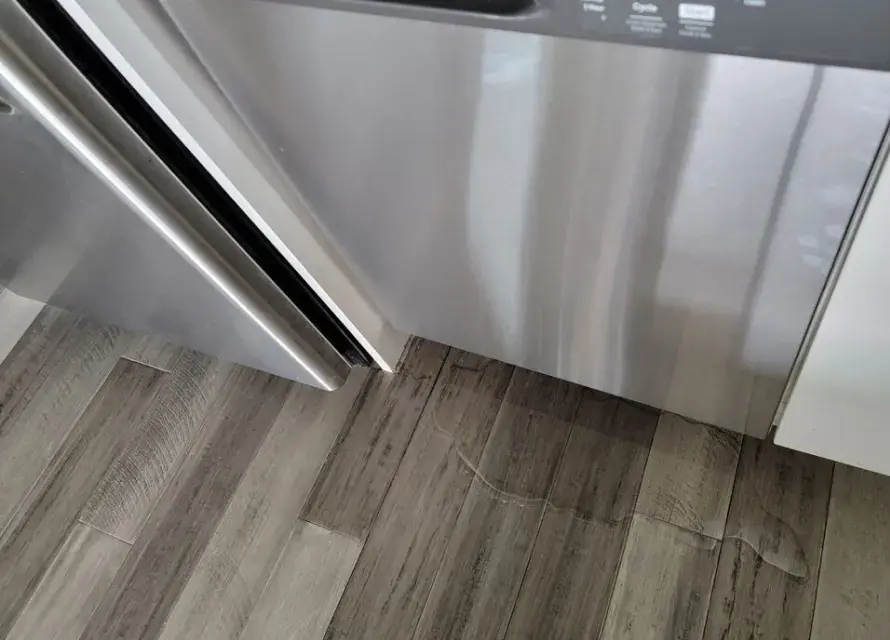 Appliance Leak Water DamageWasher, dishwasher and refrigerator leaks hide under cabinets and plank flooring, so toe kicks come off for drying.How appliance leak water damage is handled
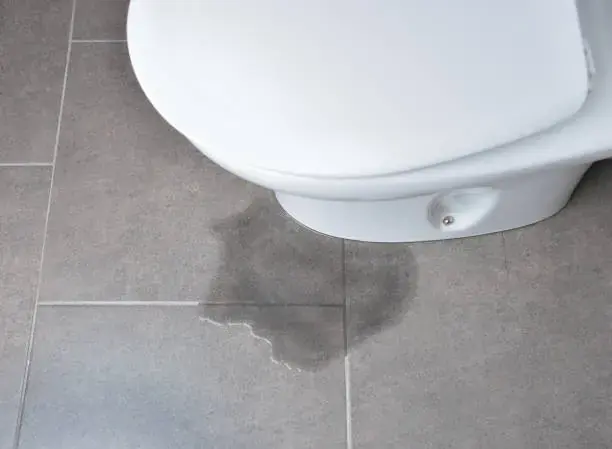 Toilet Overflow CleanupOverflow water gets pulled out, floors are cleaned and treated, and wall bottoms are checked for moisture.How toilet overflow cleanup is handled
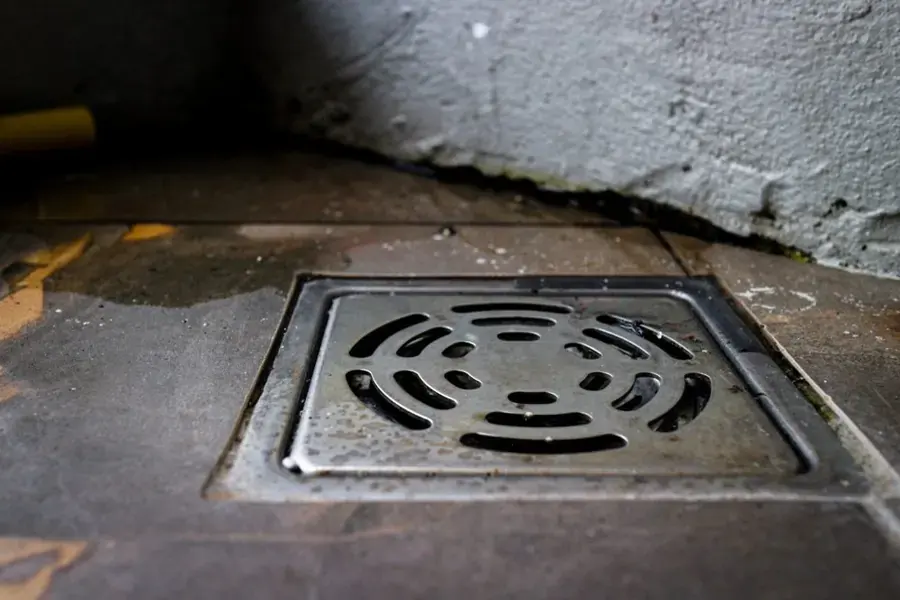 Sewage Backup CleanupSewage from a backed-up drain is removed under containment, with affected materials cut out and treated.How sewage backup cleanup is handled
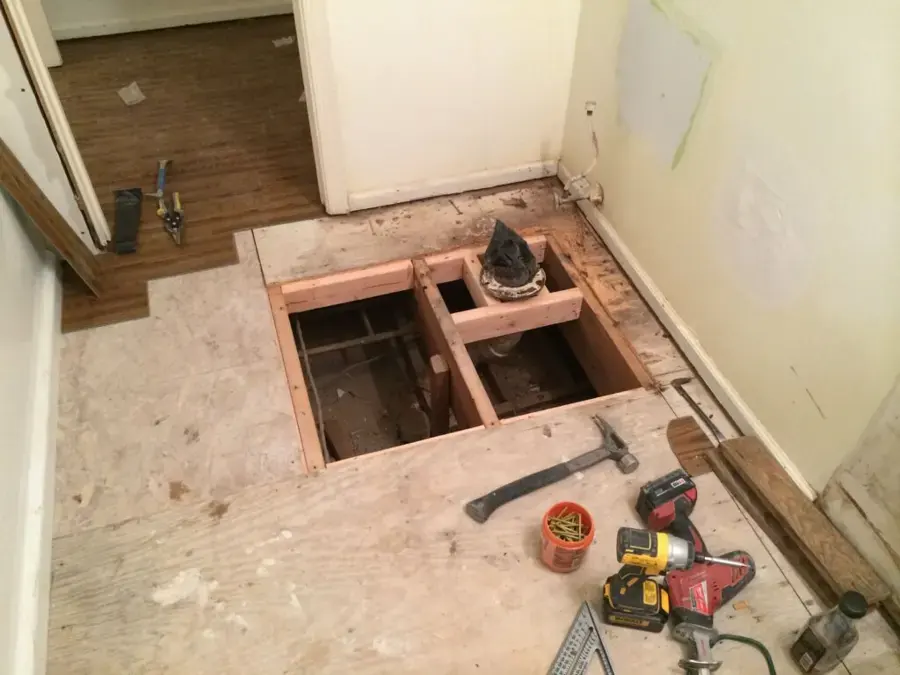 Mobile Home Water DamageManufactured homes need careful decking, belly insulation and framing drying after a leak or flood.How mobile home water damage is handled
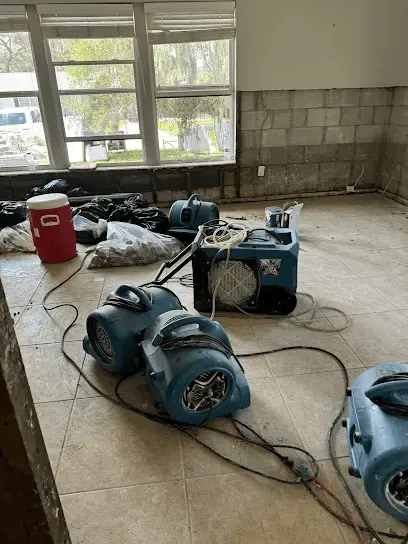 Structural DryingAir movers, dehumidifiers and daily readings bring wet framing and subfloors back to a dry standard.How structural drying is handled
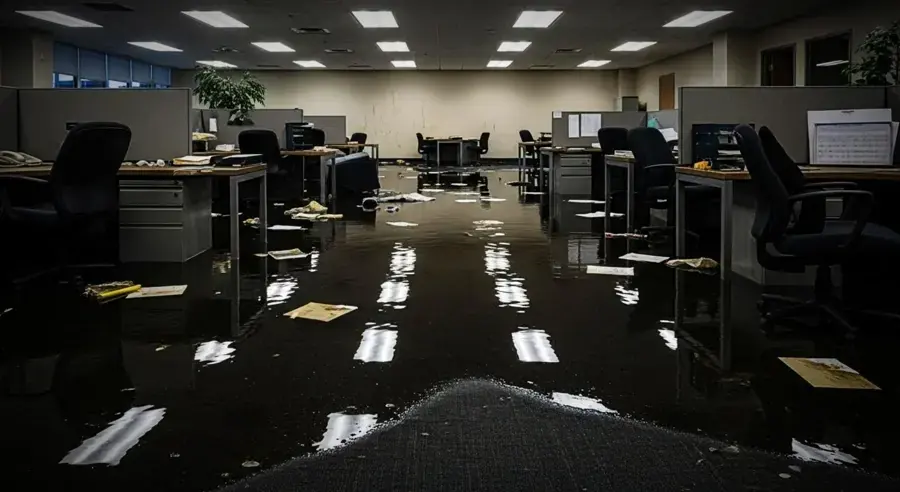 Commercial Water DamageWaterfront shops and offices get phased drying that protects inventory and limits downtime.How commercial water damage is handled
From the first call to a dry structure
- 1
Dispatch and moisture mapping
The crew is dispatched around the clock, finds the water source and maps wet areas with a meter and thermal camera, so the drying plan matches the real damage in each room.
- 2
Water removal
Truck-mounted and portable extractors pull standing water, then soaked pad and baseboards come out when they cannot be saved, so less moisture stays behind.
- 3
Drying equipment set
Air movers, LGR dehumidifiers and cavity drying systems are placed by room volume and material, with adjustments after each daily reading instead of guesswork.
- 4
Documented dry verification
Readings are logged daily against dry standards, and equipment stays until each wet material reads dry on the meter, with the final numbers written into the report.
Bay tides, low ground and storm sewers shape Gulfport losses
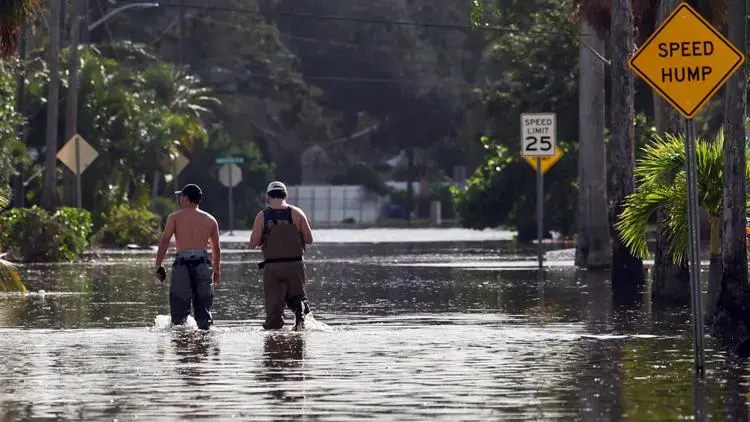
Gulfport borders Boca Ciega Bay and St. Petersburg, with ground running from near sea level along parts of the waterfront to nearly forty feet in the northeast. Runoff in heavy rain reaches the bay and Clam Bayou, and salt water can push back up through storm sewers at high tide.
- September 26, 2024Hurricane Helene's surge flooded the Marina District, downtown businesses and surrounding homes, and floating docks washed up Beach Boulevard.
- August 2023Hurricane Idalia left downtown and the Marina District flooded, a pattern that returned with the next big surge.
- 2017Hurricane Irma flooded areas along Boca Ciega Bay and wherever storm sewers backed up, and about 85% of the city lost power for about a week.
Five common ways water gets into Gulfport buildings
- Bay surge on the waterfront. High tides and storm surge from Boca Ciega Bay push water into low ground floors, which calls for quick water extraction and a drying plan built around the wet materials.
- Storm sewer backflow. The city blames flooding partly on salt water backing up through storm sewers, so rain and tide together can flood a street and then a floor.
- Wind-driven roof leaks. Coastal storms such as Hurricane Irma and Hurricane Helene put roofs at risk, and a lifted shingle often shows up first as a stained ceiling.
- Cracked sewer pipes. In big storms public works reported up to 4 million gallons a day entering the treatment system through cracked pipes, and backups into homes follow, needing sewage backup cleanup.
- Plumbing and appliance leaks. A water heater tank, a dishwasher hose or an air handler pan can soak flooring quietly for days before a stain appears.
Clean, gray and black water change the work
Category 1, clean water
Water from a supply pipe or faucet. Fast extraction and drying often save flooring and drywall when the leak is caught early.
Category 2, gray water
Water from a washer, dishwasher or toilet bowl carries some contamination. Pad and porous materials usually come out, and surfaces are cleaned and dried.
Category 3, black water
Sewage and bay floodwater carry bacteria. Porous materials are removed, surfaces are treated, and the area is sealed off before drying starts.
How long a wet Gulfport structure takes to dry
- Typical range
- Most clean water jobs dry in three to five days, and the readings, not the calendar, decide when equipment goes.
- Dense materials
- Concrete slabs, hardwood and thick framing release moisture slowly, so desiccant units or mats may extend the schedule.
- When it ends
- Equipment leaves when every wet material reaches its dry standard on the meter, with the final readings written down.
Typical costs for Gulfport water damage jobs
Most Gulfport water damage jobs run from $600 to $16,000 or more. The size of the wet area, the water category and the days of drying equipment drive the total.
- Small clean-water leak$600 to $2,200One or two rooms, quick extraction and a short drying run with a few air movers.
- Several rooms or gray water$2,200 to $6,500Wet flooring comes up, wall bottoms are opened and equipment stays for more days.
- Flood or sewage loss$6,500 to $16,000+Category 3 removal, containment and long equipment runs across many rooms.
Final pricing follows the moisture map and the scope. These are typical ranges, not a quote for a specific home.
Documenting a water loss for insurance
Adjusters want a clear record of when the water arrived and what it touched. Drying logs, photos and a written scope help a claim move, and flood-zone repairs here can trigger a FEMA 50% rule assessment by the city.
Sudden pipe or appliance discharge is usually treated differently from rising flood water, which often needs separate flood coverage. Coverage depends on your policy, so read the policy language or ask the agent before assuming either way, and keep every receipt.
- A moisture map showing every wet wall, floor and ceiling
- Timestamped photos of the damage before cleanup starts
- Water category and drying class written on the report
- Daily drying logs with meter readings in each room
- An itemized scope listing each material removed or dried
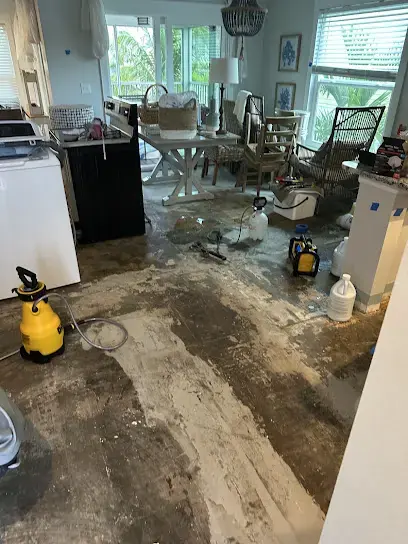
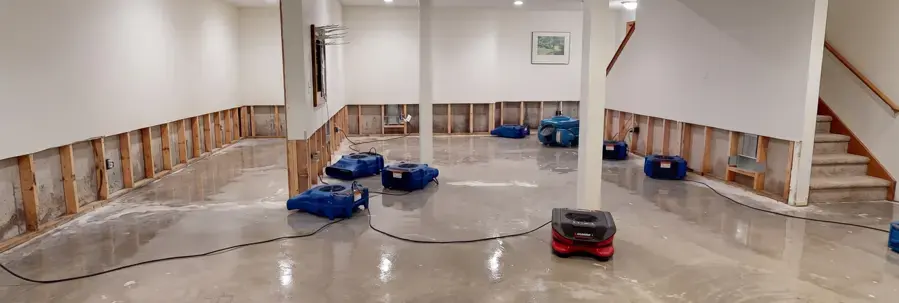
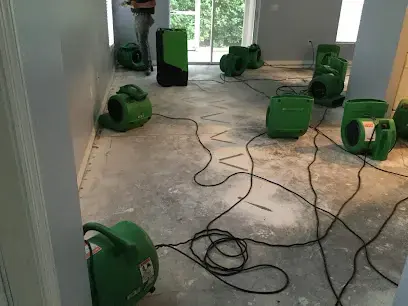
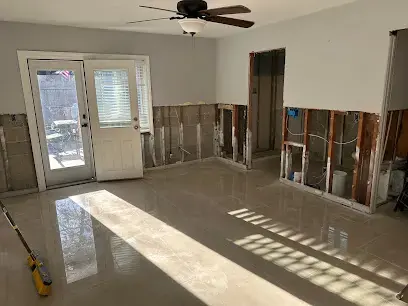
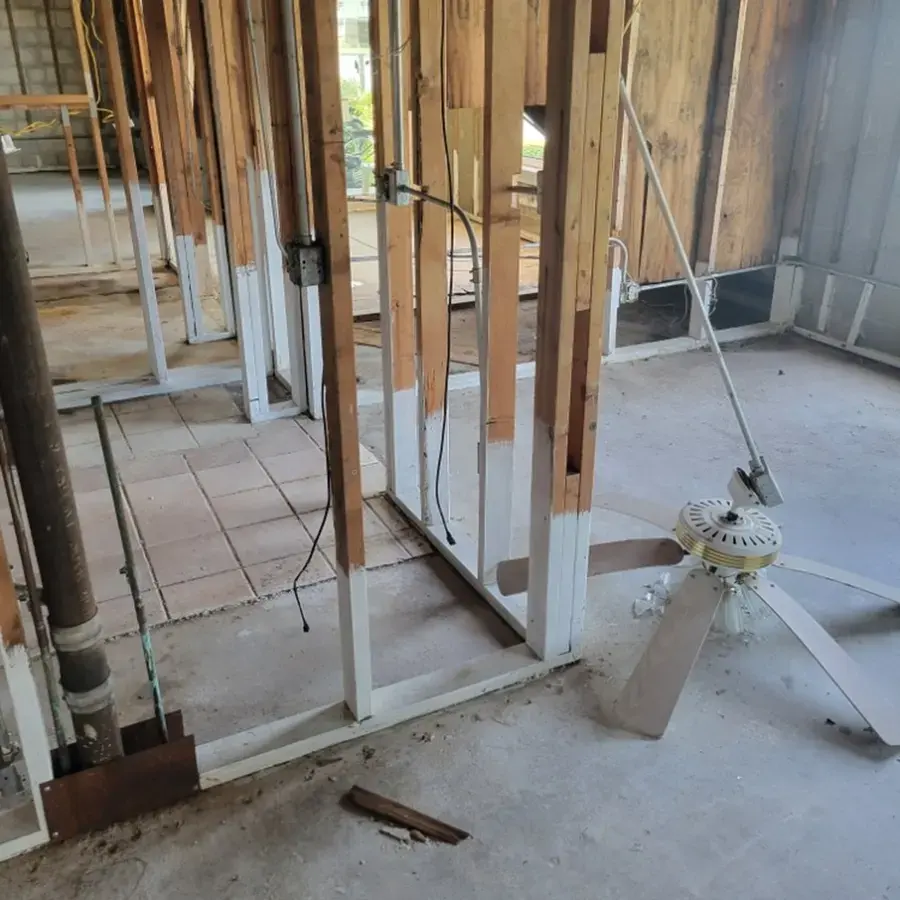
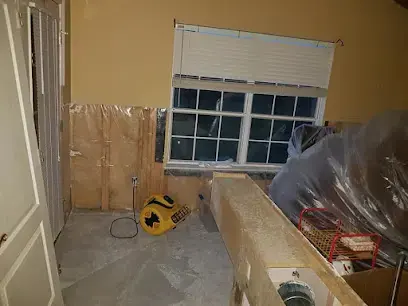
Representative photos from typical water damage jobs
Serving every Gulfport neighborhood and ZIP
Crews work across the whole city, from the Beach Boulevard waterfront and the Clam Bayou area to the higher ground in the northeast, covering ZIP codes 33707 and 33711 and every street in between.
- Marina District
- Downtown Gulfport
- Waterfront District
- Clam Bayou area
- Tangerine Greenway
- Veterans Park area
- Shore Boulevard corridor
- ZIP 33707
- ZIP 33711
Nearby cities served
Gulfport water damage questions
What should I do first after water enters my Gulfport home?
Stop the source if it is a pipe, shut off power to wet areas when it is safe, lift valuables and photograph the damage. Then phone a restoration crew so extraction begins before materials swell and stain.
Does the crew respond at night and on weekends?
Dispatch runs 24/7, including holidays and storm nights. The crew arrives with extractors, air movers and meters, and starts mapping moisture right away, so the drying plan comes from real readings.
Is my Gulfport address in a flood zone?
About one-third of the city lies in the FEMA 100-year floodplain, and the flood map was revised on August 24, 2021. Check the current map with the city, because zone status affects repair rules and coverage.
Why does sewage come up during big storms?
Rain enters cracked sewer pipes and overloads the system, with storm flows far above the usual. When pipes surcharge, waste can surface in a tub, floor drain or low toilet, and a plumber then checks the building's own pipe.
How long does drying take after a flood?
Clean water losses often dry in three to five days, while slabs, hardwood and soaked framing run longer. Daily meter readings decide when the equipment leaves, not a fixed number on a calendar.
What does the S500 standard mean for my job?
S500 is the accepted drying standard for water restoration. It sets how water is classified, how equipment is placed and how readings prove materials reached their targets.
Will my insurance pay for water damage?
Sudden pipe or appliance discharge is often covered, while surge and rising water usually need flood coverage. Coverage depends on your policy, so ask the agent and keep the drying logs, photos and receipts together.
What makes Category 3 water different?
Sewage and bay floodwater carry bacteria, so carpet, pad and wet drywall are removed rather than dried. Surfaces are cleaned and treated, and workers wear protective gear throughout.
Does wet drywall always have to come out?
Not always. Clean water caught early can often be dried in place. Drywall that sags, crumbles or sat in gray or black water is cut out above the waterline, and the rest is dried and checked.
Is mitigation the same as repair?
No. Mitigation stops the damage by removing water and drying the structure. Rebuilding, such as drywall, paint and flooring, comes after, and flood-zone repairs may need a city damage assessment first.
Water in your Gulfport property right now?
The Gulfport water damage pros handle extraction, drying and documentation with one crew, so the claim file and the equipment plan stay in step.