Commercial Water Damage in Gulfport, FL
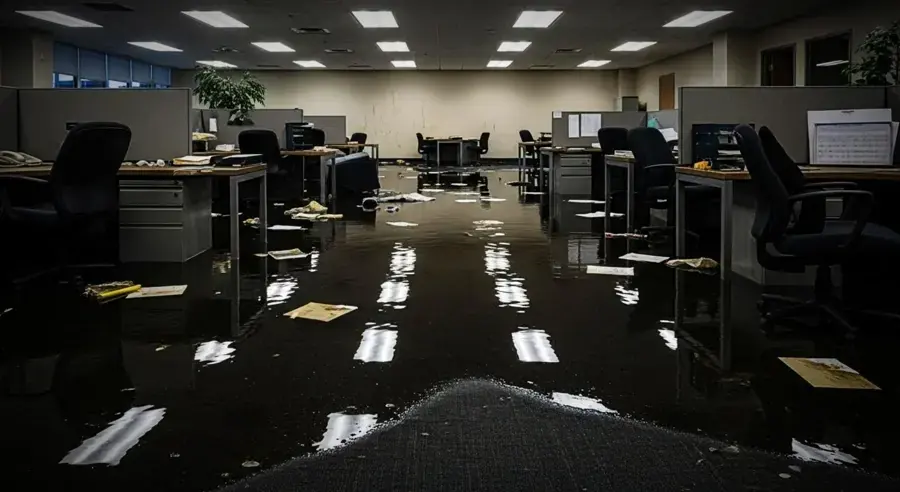
Beach Boulevard and Shore Boulevard waterfront businesses were flooded in Hurricane Helene's surge. The commercial crew removes water, protects inventory, dries floors and walls in phases and records the whole loss so a business can reopen with a clear paper trail.
(888) 621-2041Business flooded? Reach the commercial crew- Phased drying plans
- Inventory protection
- Ceiling tile removal
- Claim-ready reports
First steps when a business floods
- 1
Secure the space
Keep staff and customers out of wet areas and away from electrical equipment until power is checked.
- 2
Protect inventory
Move stock, paper records and electronics to dry shelves, tables or another room.
- 3
Contact stakeholders
Tell the landlord, the property manager and the insurer about the loss as soon as possible.
- 4
Photograph everything
Record the wet floors, ceilings and damaged stock before any cleanup begins.
How commercial drying is planned in Gulfport
Business drying is phased so operations resume sooner. The crew works section by section, uses larger equipment and records each stage for insurers and landlords.
- Water category
- Category 1 for a pipe, Category 3 for surge or sewage water
- Typical class
- Class 2 or 3 across a retail or office floor
- Equipment
- Large dehumidifiers, air movers, extractors, HEPA air scrubbers
- Drying goal
- Open spaces and walls dried in planned phases
When water hits a business, every day closed costs money, so speed and documentation matter together. Hurricane Helene's September 26 surge flooded the Marina District and downtown businesses, and floating docks washed up Beach Boulevard. Hurricane Idalia had left downtown flooded the year before. For shops and restaurants along the waterfront, even a few inches of water can stop sales for days if drying is slow.
What a commercial job covers
- Water extraction from tile, carpet and concrete floors
- Removing wet drop ceiling tiles and drywall
- Protecting stock, fixtures and paper records
- Containment when waste or surge water is present
- Phased drying so part of the space can reopen
Water inside your Gulfport shop, restaurant or office?
(888) 621-2041Call the commercial crewPlanning around operations
The crew talks through which areas must come back first. Large dehumidifiers and air movers go into the highest-priority zones, while other sections are sealed off. Phased work reduces downtime and keeps a record of each area's moisture readings.
Ceiling tiles, carpet tile, shelving and cabinetry each react differently to water. Drop ceilings come down when wet, carpet tile can often be lifted and dried tile by tile, and fixtures may need to be moved to reach the floor underneath.
Landlords, tenants and insurers
Commercial losses involve several parties, so the paperwork needs to be clear. A written scope, photographs and daily logs support the claim, and the city's flood-zone repair rules can apply to repairs on waterfront buildings.
For a tenant space in a larger building, structural drying covers the equipment side.
Restaurants and food shops add another layer, since wet kitchen floors and floor drains call for cleaning and treatment before equipment goes in. The crew coordinates with owners so cleanup, drying and the paperwork land in a sensible order.
Clear updates keep owners informed. Each visit ends with a short summary of readings, remaining wet areas and the next step, so staff know when parts of the space can be used again.
What does commercial water damage cost in Gulfport, FL?
Commercial water damage in Gulfport typically runs from $2,500 for a small suite to $40,000 or more for a storm or surge loss. Floor area, the water category and the days of drying equipment set the amount.
Small suite
$2,500 to $8,000
- Water extraction
- Carpet tile and drywall
- Phased drying
Large floor
$8,000 to $20,000
- Containment zones
- Drop ceiling removal
- Large dehumidifiers
Storm or surge loss
$20,000 to $40,000+
- Category 3 removal
- Inventory protection
- Extended drying
Square footage, the number of tenants affected, the water category and how long the building must stay closed decide the final scope. Try your own figures in the Palmetto water damage cost calculator.
How commercial water damage is handled in Gulfport
- 1
Walk the space
The crew surveys the loss with the owner and ranks the areas that must reopen first.
- 2
Extract and protect
Water is removed while stock, fixtures and records are covered or moved.
- 3
Dry in phases
Equipment dries priority zones first while other sections are sealed off.
- 4
Report the results
Readings, photos and the scope are compiled for insurers and landlords.
Coverage across Gulfport, FL
Crews work across the whole city, from the Beach Boulevard waterfront and the Clam Bayou area to the higher ground in the northeast, covering ZIP codes 33707 and 33711 and every street in between.
Browse the full Palmetto coverage listCommercial water damage questions in Gulfport
Can the business stay open during drying?
Often partly. Phased drying seals off wet zones so dry areas can keep operating when it is safe.
Who pays, the tenant or the landlord?
It depends on the lease and the policies involved, so involve both parties and the insurer early.
Will inventory be saved?
Items moved quickly to dry spots and cleaned properly often survive, while soaked paper and cardboard usually do not.
Is surge water treated differently?
Yes, it is Category 3, so porous materials are removed and surfaces are treated.
How long will drying take?
Most spaces need several days, but dense floors and large areas can run longer.
What if my shop sits below a leaking unit upstairs?
Water from another suite is documented the same way, with moisture maps and photos. The records show where the water started, which helps owners, tenants and insurers sort out responsibility.
Do I need to shut the business down completely?
Not always. If only part of the space is wet, the crew can contain it and keep other areas in use, provided the power and air quality are safe.
Commercial water damage in Gulfport, managed
The commercial crew removes water, dries the space in phases and records every step so the business can reopen sooner.