Water Extraction in Gulfport, FL
Low waterfront ground and bay tides mean standing water can reach a Gulfport floor in a single storm. The extraction crew pumps it out, pulls soaked pad, checks wall bottoms with a meter and sets drying equipment before the water spreads further.
(888) 621-2041Gulfport floor under water? Call extraction now- Truck-mounted pumps
- Portable submersible units
- Pad and tack strip removal
- Moisture map before leaving
What to do while water is standing on the floor
- 1
Check the power
Stay out of standing water near outlets and cords. Switch off breakers only from a dry spot.
- 2
Find the source
Shut the valve on a pipe or appliance. Rain and tide water has to stop on its own.
- 3
Lift and prop
Raise upholstery and stack boxes on tables so legs and bottoms stay out of the water.
- 4
Photograph the depth
Shoot the waterline on walls and the wet belongings before the pumps start moving it.
How the crew removes water from a Gulfport floor
Extractors work from the deepest area toward the doors while a technician reads moisture in pad, baseboards and wall bottoms. Whatever cannot be saved is cut out before drying begins.
- Water category
- Category 1 from a pipe, Category 3 when bay water or sewage is involved
- Typical class
- Class 2, with wet carpet pad and soaked wall bottoms
- Equipment
- Truck-mounted extractor, submersible pump, air movers, LGR dehumidifiers
- Drying goal
- Every wet material at its dry standard on the meter
Extraction is the most time-sensitive step in any flood job. In Gulfport, water from Boca Ciega Bay surge, a downpour that overwhelms the storm sewers or a failed supply pipe can cover a floor fast. Pulling it out early keeps pad, baseboards and subfloor from absorbing more than they must, and it lets the drying team see what is truly wet.
What the extraction crew brings to the job
- Truck-mounted extractors for large volumes and long hose runs
- Submersible pumps for deep water in garages and low rooms
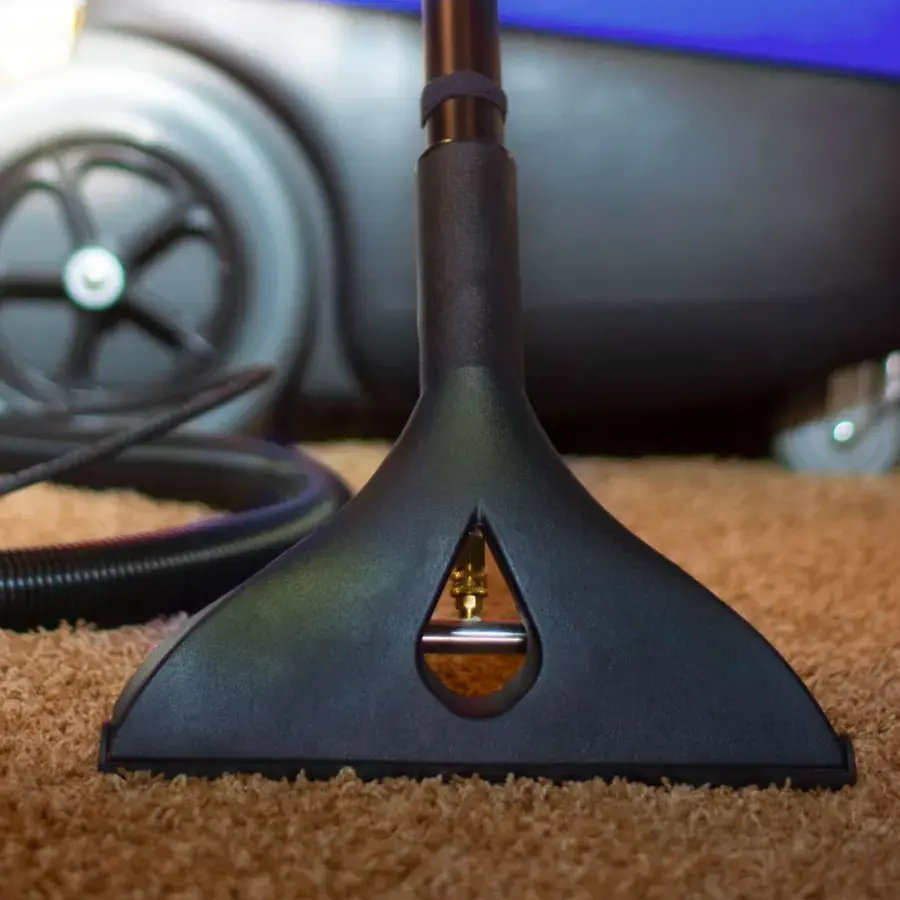
- Weighted wands that pull water out of carpet and pad
- Meters and a thermal camera to find water behind walls
- Protective gear and containment for contaminated water
Standing water in a Gulfport room right now?
(888) 621-2041Call for extractionWhy bay and storm water needs extra care
Hurricane Helene's surge flooded the Marina District, downtown businesses and surrounding homes, and water that arrives from the bay is not clean supply water. It is treated as Category 3, so soaked carpet and pad are removed instead of dried, and hard surfaces are cleaned before equipment goes in. The crew also checks a storm and flood cleanup scope when the loss covers several rooms.
After the water is out
Pulling water is only the opening move. Wall cavities, baseboards and the slab edge still hold moisture, so the crew sets air movers and dehumidifiers and starts the structural drying plan the same visit.
Daily readings then show whether the floor is heading to its dry goal.
Timing matters because pad and drywall wick water upward and sideways. A floor pumped out early often keeps its baseboards, while one left overnight may need trim, pad and the lower wall removed, so each hour of delay widens the scope.
Whatever the source, the crew leaves the floor ready for the next step, with moisture readings noted for the file.
What does water extraction cost in Gulfport, FL?
Water extraction in Gulfport usually runs from $400 for one room of clean water to $3,800 or more for floodwater or sewage. Depth, wet area, water category and the amount of pad and trim removed set where a job falls.
One room, clean water
$400 to $1,200
- Truck-mounted extraction
- Carpet or tile floor
- Initial drying setup
Several rooms
$1,200 to $2,600
- Wet pad removed
- Baseboards pulled
- More air movers
Floodwater or sewage
$2,600 to $3,800+
- Category 3 handling
- Pumps for deep water
- Antimicrobial treatment
Depth of the water, the number of rooms, whether the water is clean or contaminated and how much pad and trim must be removed all move the final figure. Try your own figures in the Palmetto water damage cost calculator.
How water extraction is handled in Gulfport
- 1
Survey the water
A technician checks depth, source and category before any pump is started.
- 2
Pump and extract
Bulk water goes first, then wands work the carpet, pad and tile edges.
- 3
Remove the unsalvageable
Soaked pad and swollen trim come out so they cannot hold water against the floor.
- 4
Set up drying
Air movers and dehumidifiers go in, and a baseline reading is recorded.
Coverage across Gulfport, FL
Crews work across the whole city, from the Beach Boulevard waterfront and the Clam Bayou area to the higher ground in the northeast, covering ZIP codes 33707 and 33711 and every street in between.
Browse the full Palmetto coverage listWater extraction questions in Gulfport
How fast does water damage start after a flood?
Carpet pad and drywall start absorbing right away, and swelling and staining follow quickly, which is why pumping should begin as early as possible.
Can I use a shop vacuum myself?
For a small clean spill it helps, but it cannot pull water from pad or reach wall bottoms, and it should never touch sewage or bay water.
Is bay flood water safe to leave on the floor?
No. Surge water carries bacteria and debris, so it is treated as Category 3 and removed with protective gear.
Will the carpet have to be replaced?
Carpet from a clean source may be dried in place, but carpet and pad soaked by contaminated water are normally removed.
Does extraction include drying?
Extraction clears the bulk water. Drying equipment is then set up so the subfloor and wall bottoms reach their dry standard.
What if power is out after the storm?
Generators can run extraction units, and the crew plans drying around available power.
What happens if extraction waits until morning?
Carpet pad and drywall keep absorbing, trim swells and stains set in. A floor that could have been dried in place may need pad, baseboards and wall bottoms removed instead.
Standing water in Gulfport, handled now
The extraction crew removes the water, saves what can be saved and sets up drying so the damage stops growing.