Mobile Home Water Damage in Gulfport, FL
Manufactured homes have thin floors, belly insulation and decking that react fast to water. The Gulfport crew extracts the water, checks the subfloor from above and below, removes swollen decking and dries framing, walls and trim before the damage spreads any further.
(888) 621-2041Leak in your mobile home? Call the drying crew- Decking moisture checks
- Belly insulation removal
- Framing drying
- Floor and wall care
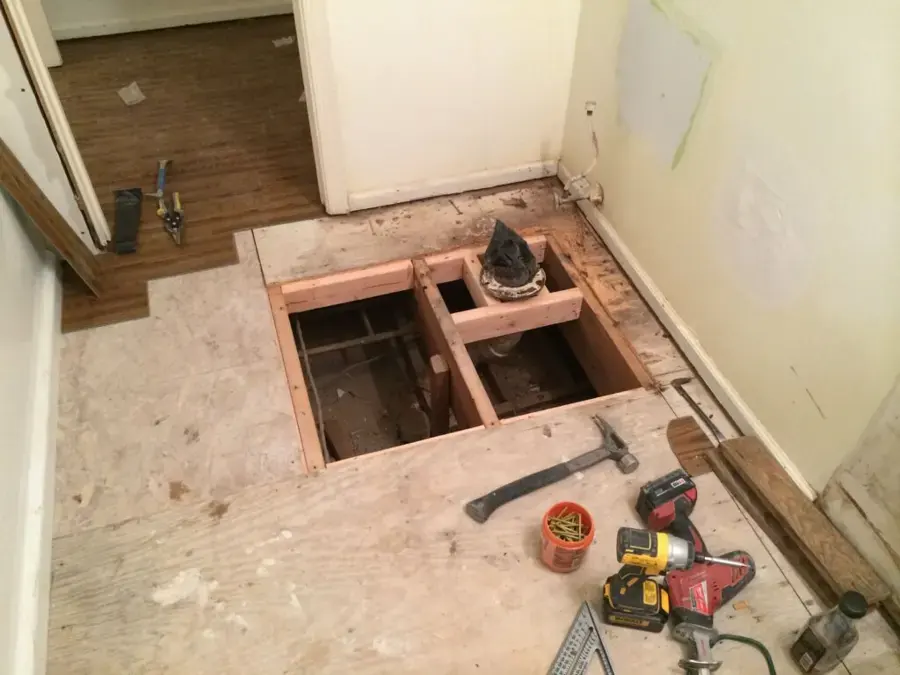
First steps after water gets into a mobile home
- 1
Close the water
Shut the supply at the shutoff or main valve before checking how far the damage goes.
- 2
Turn off the power
Switch off circuits to wet areas and avoid walking on a soft or bouncy floor.
- 3
Check for soft spots
Press the floor gently; a sponge-like feel means water reached the decking.
- 4
Photograph the damage
Record wet floors, ceiling stains and the source for the claim file.
How manufactured home drying differs
Thin floors, belly wrap and fewer wall layers let water move quickly. The crew checks both sides of the floor system and dries it in a way that suits the home's light framing.
- Water category
- Category 1 from a pipe, Category 3 from flood or sewage
- Typical class
- Class 2, with wet decking, soaked flooring and damp wall bottoms
- Equipment
- Air movers, dehumidifier, moisture meter, thermal camera
- Drying goal
- Decking, framing and belly insulation all at dry readings
Manufactured homes are built differently from site-built houses, and water behaves differently inside them. The work itself follows the same pattern from one home to the next. Whether the water came from a pipe, a roof leak or a flood, the floor and belly layers usually need checking. Light framing and thin panels carry moisture into the structure sooner than in a heavier build, so quick extraction pays off for owners.
What the crew inspects
- Decking that feels soft, sags or has delaminated
- Insulation and wrap beneath the floor system
- Wall bottoms and trim near the leak
- Ceilings and roof seams if rain is the source
- Ductwork that may have collected water
Water inside a Gulfport mobile home right now?
(888) 621-2041Call for dryingHow water damage is handled
Water is extracted from floors, and soaked flooring comes up so decking can be assessed. Swollen sections are cut out, wet belly insulation is removed and framing is dried with air movers and a dehumidifier. Readings track progress until the structure reaches its dry targets.
Ducts that run beneath the floor can collect water, and wet insulation around them sags and holds moisture against the floor system. The crew checks those runs and the plumbing penetrations, where leaks often begin.
Flood and storm cases
When surge or heavy rain is the cause, water is treated as Category 3 and more material comes out. The scope looks like the work described on the storm and flood cleanup page.
A written scope and photos help the claim.
Because these homes dry quickly once the wet layers are gone, a careful first inspection saves time later. Written readings give the owner, an insurer and any repair contractor the same facts about what was wet and when it dried.
Skirting and underpinning can trap humid air beneath the home, so the crew checks that area for damp insulation and lingering moisture. Where ventilation is poor, equipment may be placed to move air through the crawl space.
After drying, a short written summary lists each layer that was opened, removed or dried.
What does mobile home water damage cost in Gulfport, FL?
Mobile home water damage in Gulfport typically runs from $800 for a small leak to $6,000 or more for a flood or long-running leak. Decking, belly insulation and the number of rooms affected drive the final cost.
Small leak
$800 to $1,900
- Floor drying
- Spot decking repair access
- Short setup
Decking and belly
$1,900 to $4,000
- Swollen decking cut out
- Wet insulation removed
- Framing dried
Flood or long leak
$4,000 to $6,000+
- Category 3 removal
- Several rooms
- Extended drying
Whether water reached the decking and belly, how many rooms are affected and if the cause was flood or a pipe leak change the scope and drying time. Try your own figures in the Palmetto water damage cost calculator.
How mobile home water damage is handled in Gulfport
- 1
Inspect both sides
The crew checks the floor from above and the belly from below for hidden water.
- 2
Extract and remove
Water is pulled out, then soaked flooring, swollen decking and wet insulation come out.
- 3
Dry the frame
Air movers and dehumidification dry framing, wall bottoms and the floor system.
- 4
Document results
Readings and photos record the work for the repair crew and the claim.
Coverage across Gulfport, FL
Crews work across the whole city, from the Beach Boulevard waterfront and the Clam Bayou area to the higher ground in the northeast, covering ZIP codes 33707 and 33711 and every street in between.
Browse the full Palmetto coverage listMobile home water damage questions
Why does a mobile home floor go soft quickly?
Thin decking and flooring layers absorb water fast, and the belly wrap can trap it underneath.
Does belly insulation need to be replaced?
Wet belly insulation holds water against framing, so it is normally removed and replaced.
Can the floor be dried without cutting?
Light, clean leaks can be dried in place, but swollen decking usually has to be cut out.
Does insurance cover mobile home leaks?
Sudden leaks are often covered, but coverage depends on your policy and the cause.
What about flood water?
Flood water is Category 3, so porous materials are removed, surfaces are treated and the framing is dried before any rebuilding starts.
Can water damage get under a mobile home unnoticed?
Yes. Leaks above the floor can drip into the belly layer and stay hidden. Soft spots, odors and a sagging floor are clues, and a meter helps confirm them.
Do I need to move out during drying?
Often not, though noise and equipment cords make it inconvenient. If decking is soft or the water was contaminated, staying elsewhere for a while is safer.
Mobile home water damage in Gulfport, dried
The drying team checks decking, belly and framing, removes what is ruined and dries the home with readings on file.