Water Extraction in St. Petersburg, FL
Bay surge and cloudburst rain collect in low neighborhoods such as Shore Acres, where Helene pushed over 6 feet of surge on September 26, 2024. The extraction crew pumps out standing water, pulls saturated pad and begins drying before the moisture reaches the walls.
(888) 621-2041Water pooling in St. Petersburg? Call the crew- Pumps for deep water
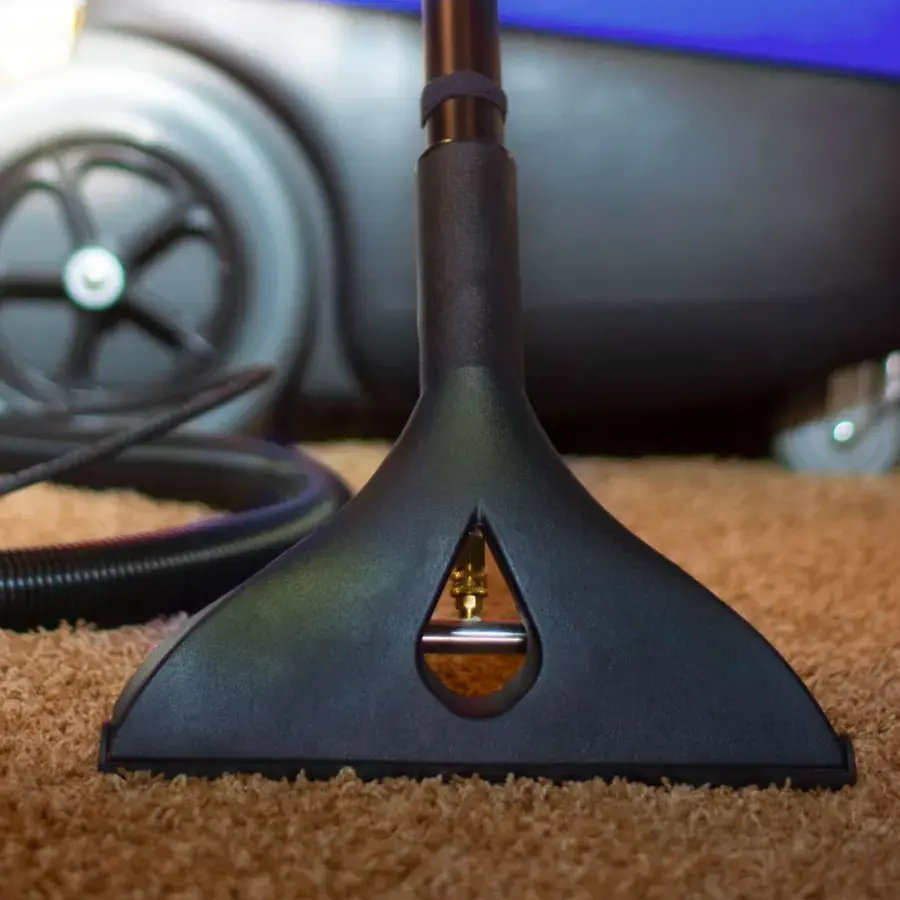
- Weighted floor extractors
- Pad and carpet removal
- Moisture checks after pumping
Moves that help before the extraction crew arrives
- 1
Stop the inflow
Close the supply valve if a pipe failed. For surge or runoff, keep moving belongings upward.
- 2
Switch off power
Turn off breakers for wet rooms only when the panel is dry and reachable. Skip cords and outlets in standing water.
- 3
Lift what you can
Raise small furniture onto blocks and move rugs and electronics to dry rooms. Heavy items can wait for the crew.
- 4
Note the water mark
Photograph the high water mark on walls and furniture, then call. Depth and category decide which pumps come.
How extraction works on a St. Petersburg floor
Extraction comes first because water left in carpet and wood keeps spreading into baseboards and wall bottoms. The crew removes the bulk, then measures what remains.
- Water category
- Category 1 from broken pipes, Category 3 from surge, creek water or sewage.
- Typical class
- Class 2 or 3 once carpet and the bottoms of walls are wet.
- Equipment
- Truck mounted extractors, submersible pumps, air movers and LGR dehumidifiers.
- Drying goal
- Standing water gone, then readings falling steadily toward the dry reference.
In St. Petersburg, standing water arrives from several directions: bay surge, cloudburst rain that outruns the drains and plumbing failures inside the home. Each calls for the same first move, getting the bulk water out before it wicks into baseboards and drywall. Pinellas County says everyone in the county is in a flood zone, so no address is exempt. The restoration crew then maps what stayed wet and moves into structural drying.
What the extraction crew removes first
- Standing water pumped out with submersible units, deepest areas first
- Carpet and pad lifted and separated when they cannot dry in place
- Water pulled from tile, wood and concrete with weighted extractors
- Baseboards removed so the wall bottoms can release moisture
- Furniture legs blocked up so wet stains do not climb into upholstery
Water already on the floor in St. Petersburg? Get the pumps moving.
(888) 621-2041Call the extraction crewWhy surge water changes the job
Water that came off Tampa Bay or out of a creek is Category 3, and it carries silt and contaminants into every material it touches. The extraction crew handles that water with protective gear, removes the porous materials it reached and treats the hard surfaces. Clean plumbing water gives more options, since carpet can often be extracted and dried in place. Silt that settles from surge dries into a crust, so it is shoveled or vacuumed before the floor is treated.
When pumping alone is not enough
Extraction removes liquid, not the moisture held inside wood, drywall and slab. After the pumps stop, the technician checks wall bottoms, subfloors and cabinet bases with meters, and the drying team sets air movers and dehumidifiers to pull out what remains. Humid air around Tampa Bay slows evaporation, so measured follow up matters here. Pulling baseboards early lets wall bottoms dry from both sides.
For price ranges and the full process, see the water extraction page or ask the crew during the first walkthrough.
What does water extraction cost in St. Petersburg, FL?
Water extraction in St. Petersburg usually runs from $400 to $3,800 or more. A single room with clean water sits at the low end, while floodwater or sewage with deep pumping and antimicrobial work reaches the high end. Quotes follow the on site readings.
Single room, clean water
$400 to $1,200
- Truck mounted extraction
- Carpet or tile
- First drying setup
Multiple rooms
$1,200 to $2,600
- Wet pad removed
- Baseboards pulled
- Extra air movers
Surge or sewage
$2,600 to $3,800+
- Category 3 handling
- Pumps for depth
- Antimicrobial treatment
Depth, contamination, floor type and the number of rooms move the price most. Extra pump time, removed carpet or pad and a longer equipment stay raise it. Try your own figures in the Palmetto water damage cost calculator.
How water extraction is handled in St. Petersburg
- 1
Assess the water
The technician checks depth, source and category, then plans where pumps go and what must come out.
- 2
Pump and extract
Submersible pumps clear deep water and weighted extractors work carpet, tile and wood.
- 3
Remove what cannot dry
Saturated pad, soaked insulation and Category 3 materials are bagged and carried out.
- 4
Set drying and verify
Air movers and dehumidifiers go in, and meter readings decide when equipment leaves.
Coverage across St. Petersburg, FL
The St. Petersburg water damage pros work across the city, from Downtown St. Petersburg and the Grand Central District to Shore Acres, Snell Isle, Riviera Bay, Roser Park and Pasadena, covering every ZIP code listed below.
Browse the full Palmetto coverage listWater extraction questions in St. Petersburg
How fast does extraction need to start?
As early as the situation allows. Water left in carpet, pad and wood keeps moving into baseboards and drywall, and Category 3 water becomes harder to clean the longer it sits.
Can carpet be saved after extraction?
Often, when the water was clean and the carpet is extracted promptly. Pad usually comes out, and carpet touched by surge, creek water or sewage is normally removed.
Does extraction dry the house?
No. Extraction removes liquid water, but moisture stays inside wall bottoms, subfloors and slabs, which is why air movers, dehumidifiers and meter checks follow.
What equipment pulls water from a flooded room?
Submersible pumps handle depth, and truck mounted or portable extractors handle carpet, tile and wood. The units used depend on volume and floor type.
Is bay or creek water safe to handle?
No. Bay surge and creek overflow are Category 3, so residents should stay clear while the crew uses protective gear and removes porous materials.
What should be photographed before pumping?
The water mark on walls, wet belongings and the affected rooms. Timestamped images support the insurance file and show the original depth.
Standing water in St. Petersburg? Call the crew
The extraction crew handles pumping, material removal and the first drying setup so the rest of the structure is protected.