Structural Drying in St. Petersburg, FL
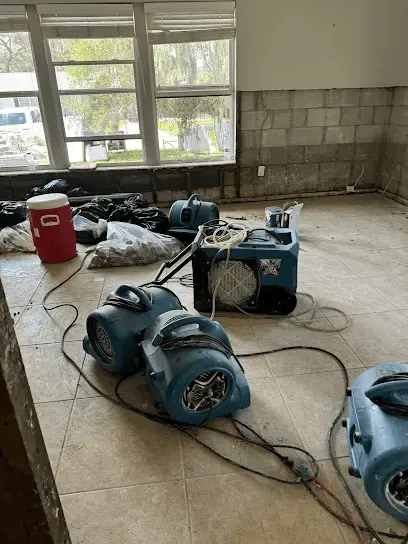
After storms such as Milton, which brought over 20 inches of rain, wet walls and floors in a humid subtropical climate need controlled drying, not just open windows. The drying team sets equipment by the S500 classes and logs readings until every material reaches its dry standard.
(888) 621-2041Walls still damp? Ask the drying team- S500 class based setup
- Daily moisture logs
- LGR dehumidifiers
- Cavity drying tools
What helps before the drying equipment arrives
- 1
Remove the source
Make sure water has stopped entering, whether from a pipe, a roof or rising surge.
- 2
Keep windows shut
In humid weather, open windows let more moisture in, so keep the space closed up.
- 3
Raise belongings
Lift furniture off wet floors and pull items away from damp walls.
- 4
Hold the thermostat
Do not crank the AC or heat to dry things, since the crew sets the room conditions.
How drying classes shape the plan
S500 sorts water losses into classes by how much material is wet and how slowly it releases water. The class decides how many air movers and dehumidifiers a room needs.
- Water category
- Set by the source, from Category 1 to Category 3.
- Typical class
- Class 2 for wet carpet and walls, Class 4 for slabs and hardwood.
- Equipment
- Air movers, LGR dehumidifiers, desiccants, drying mats and injection tools.
- Drying goal
- Each material matches the dry reference reading for that material.
Drying is where a water loss is actually finished. Extraction removes the liquid, but the moisture inside drywall, framing, subfloors and concrete needs controlled air movement and dehumidification to leave. In a humid subtropical climate, outdoor air carries a lot of moisture, so the crew controls the conditions inside rather than depending on weather. Skipping that stage is how damp framing turns into odor, swelling and repeat stains weeks after a clean looking cleanup.
What the equipment does
- Air movers push dry air across wet surfaces to release moisture
- LGR dehumidifiers pull that moisture out of the air and drain it away
- Desiccant units handle dense materials and low humidity jobs
- Drying mats and panels pull water out of floors
- Injection tools reach water trapped inside wall cavities
Walls still wet after the water is gone? Ask about drying.
(888) 621-2041Call the drying teamWhy readings matter
Meters measure the moisture content of each material and compare it to a dry reference. Guesses from touch or smell miss what hides inside walls. The technician records readings on every visit and moves or adds equipment until each material reaches its target. Readings also protect the owner, since they show on paper that the structure was dry when the equipment left. Thermal images help find wet spots behind finishes before any wall is opened.
After a storm like Milton
Milton's rain, over 20 inches near St. Petersburg, saturated walls and floors well beyond what showed on the surface. Widespread losses mean many rooms to monitor, so the drying team uses a documented plan for each room rather than a single setup for the whole house. Heavy storm losses often need desiccant units alongside LGR machines when materials are dense or the air is already humid. Equipment counts are recorded so the file shows what ran in each room.
Water must be removed before drying starts; see water extraction for that stage. Wet ceilings and attic framing are covered on ceiling leak water damage.
What does structural drying cost in St. Petersburg, FL?
Structural drying in St. Petersburg usually costs $1,000 to $8,500 or more. One or two rooms with light equipment sit at the low end, while dense materials like slab and hardwood with desiccants and longer drying sit at the high end.
One or two rooms
$1,000 to $2,800
- Class 1 or 2
- Air movers and LGR
- Three to five days
Several rooms
$2,800 to $5,500
- Class 2 or 3
- More equipment
- Wall cavity drying
Dense materials
$5,500 to $8,500+
- Class 4 slab or wood
- Desiccants and mats
- Longer drying
Room count, material density, humidity and how long equipment must run set the price. Slab and hardwood drying takes more equipment and time. Try your own figures in the Palmetto water damage cost calculator.
How structural drying is handled in St. Petersburg
- 1
Map and classify
Meters and a thermal camera sort the loss into a class and show where moisture sits behind finishes.
- 2
Place equipment
Air movers, dehumidifiers and specialty tools go in by the readings, with each room planned separately.
- 3
Monitor daily
The technician records readings and adjusts the setup as materials respond.
- 4
Verify and remove
Equipment leaves only when each material reaches its dry reference.
Coverage across St. Petersburg, FL
The St. Petersburg water damage pros work across the city, from Downtown St. Petersburg and the Grand Central District to Shore Acres, Snell Isle, Riviera Bay, Roser Park and Pasadena, covering every ZIP code listed below.
Browse the full Palmetto coverage listStructural drying questions
How long does structural drying take?
Often three to five days for wet rooms, with longer runs for slab, hardwood and block walls. Hardwood and block walls can run well beyond that.
Can hardware store fans do the job?
They move air but do not pull moisture from it or measure progress, so the room stays humid and hidden moisture lingers. Humidity also needs to be controlled.
Why are dehumidifiers needed with air movers?
Air movers lift water from materials into the air, and dehumidifiers pull it out. Without that, the moisture only moves around.
How do you know it is dry?
Meter readings in each material are compared to a dry reference, and the equipment leaves only when they match. Readings are logged on every visit.
Can the home air conditioner replace drying equipment?
No. Household cooling is not built for it, so the crew sets room conditions and adjusts the thermostat as needed.
Do walls need to be opened?
Some do, when readings show water trapped behind finishes. Injection and small holes can limit the damage. Thermal images help choose where to open.
How much power does drying equipment use?
Equipment draws real electricity over several days, which is a normal part of drying cost. The crew sizes the setup to the readings so units are not left running longer than needed.
Wet walls in St. Petersburg? Call the drying team
The drying team places equipment by the readings, adjusts it on every visit and releases it only when each material reaches target.