Storm and Flood Cleanup in St. Petersburg, FL
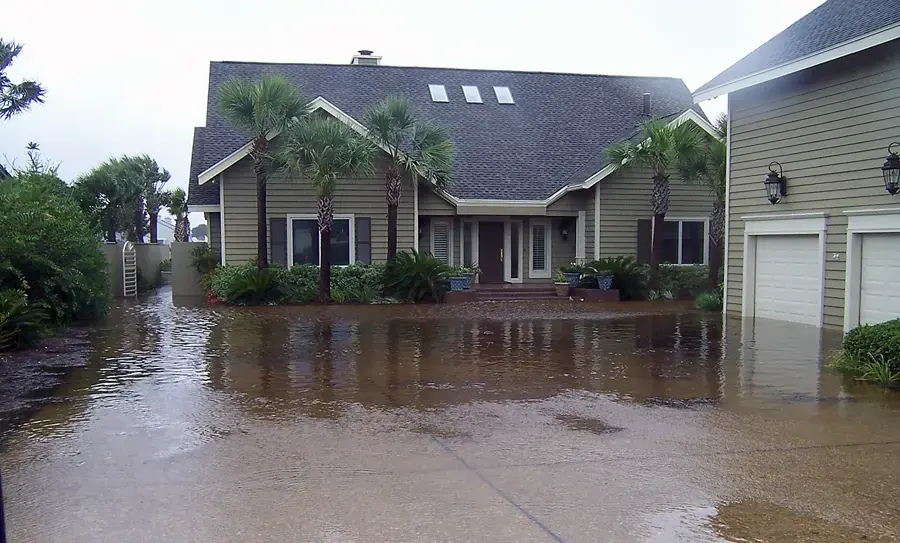
Idalia in August 2023, then Helene and Milton in 2024, put water into low areas such as Shore Acres, Snell Isle and Riviera Bay. The restoration crew pumps out floodwater, removes silt and contaminated materials and dries the structure under documented readings.
(888) 621-2041Surge in your home? Call the flood crew- Silt and debris removal
- Category 3 protocols
- Generator powered drying
- Flood cuts above the water mark
What to do after surge or runoff reaches the house
- 1
Stay out when unsafe
Do not enter standing water near power, and keep out of surge water until the area is checked.
- 2
Follow county orders
Pinellas County marks evacuation zones A through E, so confirm orders and re entry status before returning.
- 3
Photograph the high mark
Capture the high water mark inside and outside, plus damaged belongings, before cleanup starts.
- 4
Leave the silt
Leave silt and soaked materials in place for the crew, since Category 3 steps and protective gear matter.
Floodwater from the bay is Category 3 water
Surge carries bay water, silt and debris, and creek or street flooding adds sewage and runoff. The crew treats all of it as Category 3 and removes porous materials the water reached.
- Water category
- Category 3 for bay surge, creek water and street flooding.
- Typical class
- Class 3 or 4 with wet walls, cabinets, subfloors and masonry.
- Equipment
- Pumps, extractors, HEPA air scrubbers, dehumidifiers and generators.
- Drying goal
- Contaminated materials out, remaining structure at the dry reference with logged readings.
St. Petersburg has had several flooding events in a short stretch. Idalia brought about 4 feet of surge in August 2023, Helene put over 6 feet into Shore Acres on September 26, 2024 and Milton delivered over 20 inches of rain on October 9, 2024. Pinellas County says everyone in the county is in a flood zone, and flood zones, evacuation zones and surge are separate questions. Tropicana Field's fabric roof, ripped off in Milton, shows how much a major storm can open. Evacuation zones run A through E in Pinellas County.
What happens first on a flooded property
- Standing water pumped out, deepest areas first
- Silt and debris shoveled and vacuumed from floors and cabinets
- Soaked drywall cut above the water mark and insulation removed
- Carpet, pad and soaked cabinets taken out as Category 3 waste
- Hard surfaces cleaned and treated with antimicrobial products
Flood or surge in St. Petersburg? Get a cleanup plan started.
(888) 621-2041Call the flood crewRepeat flooding and documentation
Shore Acres is shaped like a bowl, and Helene was its fourth flooding event in four years. Owners there and in Snell Isle and Riviera Bay benefit from keeping each loss documented separately, so the carrier can tell the events apart. Silt dries into a crust that holds moisture against walls, so removing it early matters. Block walls can hold surge water long after the paint feels dry.
Drying after the cleanup
Generator powered equipment keeps dehumidifiers and air movers running when the grid is down after a storm. Block walls, cabinets and subfloors hold water well after the surface looks dry, so readings, not appearance, decide when the drying team releases the equipment. Keeping repair invoices and readings for each storm in a separate folder makes later claims easier.
For wet walls afterward, see structural drying, and for sewage involvement, see sewage backup cleanup. Dehumidifiers also pull the humidity that surge leaves in the air. Roof damage that let in rain is covered on roof leak water damage.
What does storm and flood cleanup cost in St. Petersburg, FL?
Storm and flood cleanup in St. Petersburg usually costs $3,000 to $25,000 or more. A few rooms with silt and flood cuts sit at the bottom, and a whole house surge with generator power and long drying sits at the top.
Few rooms flooded
$3,000 to $7,500
- Pump and silt removal
- Flood cuts made
- Antimicrobial treatment
Most of a floor
$7,500 to $15,000
- Flooring and cabinets out
- Block wall drying
- HEPA air scrubbers
Whole house surge
$15,000 to $25,000+
- Full height flood cuts
- Generator powered drying
- Extended equipment days
Surge depth, how many rooms were reached, wall type and the number of drying days set the price. Silt volume and contaminated materials add labor. Try your own figures in the Palmetto water damage cost calculator.
How storm and flood cleanup is handled in St. Petersburg
- 1
Secure and assess
The technician checks safety, depth and category, then plans pump and equipment placement.
- 2
Pump and clear
Water is pumped down and silt, debris and soaked contents are carried out.
- 3
Remove and treat
Drywall, insulation and porous materials come out, and hard surfaces are cleaned and treated.
- 4
Dry and verify
Dehumidifiers, air movers and scrubbers run until readings meet dry targets.
Coverage across St. Petersburg, FL
The St. Petersburg water damage pros work across the city, from Downtown St. Petersburg and the Grand Central District to Shore Acres, Snell Isle, Riviera Bay, Roser Park and Pasadena, covering every ZIP code listed below.
Browse the full Palmetto coverage listStorm flood questions in St. Petersburg
Does flood damage need a separate policy?
Many policies cover flood and surge only through separate flood coverage, so the carrier confirms what applies to the loss. Flood coverage is a separate question from wind coverage.
How do I look up my flood zone?
The city has an online map for flood hazard zones and FIRM panels, and Pinellas County publishes flood and evacuation zone maps.
Why is flood water Category 3?
It picks up sewage, silt and runoff along the way, so the porous materials it touched are removed and surfaces are treated. Contact time matters, so early removal helps.
How long until the house is dry?
Block walls and cabinets hold water, so drying often runs longer than five days. Equipment stays until readings match the dry reference.
Can I stay in the house?
Not in affected rooms while Category 3 materials are present. Ask the crew which areas are safe. Boots, gloves and masks are the minimum for anyone helping.
Does the crew need power on site?
No. Generator powered equipment can run when the grid is down after a storm. Fuel and cords are handled by the crew.
When should I return after a hurricane?
Return only when officials say it is safe, and enter wet areas with boots and gloves. Photograph first, then call the crew before moving soaked belongings.
Flood in St. Petersburg? Call the cleanup crew
The St. Petersburg water damage pros pump out the water, remove ruined materials and dry what remains to documented readings.