Mobile Home Water Damage in St. Petersburg, FL
Mobile home parks exist across the city, and Twin City mobile home park needed a high water rescue during Idalia. The technician handles the thin floors, decking and belly insulation of these homes, and the crew extracts and dries the structure.
(888) 621-2041Water in your mobile home? Call the crew- Decking moisture checks
- Belly insulation drying
- Thin floor extraction
- Skirting area drying
First moves after water gets into a mobile home
- 1
Stop the leak
Close the supply valve at the home or the park connection, and avoid walking on soft spots in the floor.
- 2
Mind the soft floor
Decking can swell and weaken. Keep weight off soft areas and keep people away from them.
- 3
Power safety
Switch off breakers for wet rooms from a dry spot, and keep cords out of water.
- 4
Document damage
Photograph floors, walls and the underside if it is open, then call.
Mobile home floors dry differently
Layers are thinner and the floor system includes decking and insulation beneath, so water can hide below the finished floor. The crew checks from above and from the belly where access allows.
- Water category
- Category 1 from plumbing leaks, Category 3 from flood water.
- Typical class
- Class 2 or 3 as decking and wall bottoms hold water.
- Equipment
- Floor drying mats, air movers, dehumidifiers, moisture meters and decking probes.
- Drying goal
- Decking, belly insulation and framing at the dry reference readings.
Mobile homes handle water differently from site built houses. The floor is usually a thinner assembly with decking, insulation and a belly wrap underneath, and the wall bottoms sit close to it. A leak that would stay in the finished surface of a larger house can reach the decking fast, and floodwater reaches everything. Because walls are thin and the floor cavity is shallow, water has fewer places to go and reaches finished surfaces sooner than it would in a larger house.
What water reaches in a mobile home
- Floor decking that swells and softens when soaked
- Belly insulation and wrap beneath the floor
- Wall bottoms and paneling near the floor
- Cabinet bases and built in furniture
- Spaces under the skirting that stay damp and dry slowly
Water in a St. Petersburg mobile home? Ask the crew about drying.
(888) 621-2041Call the crewDecking and belly insulation
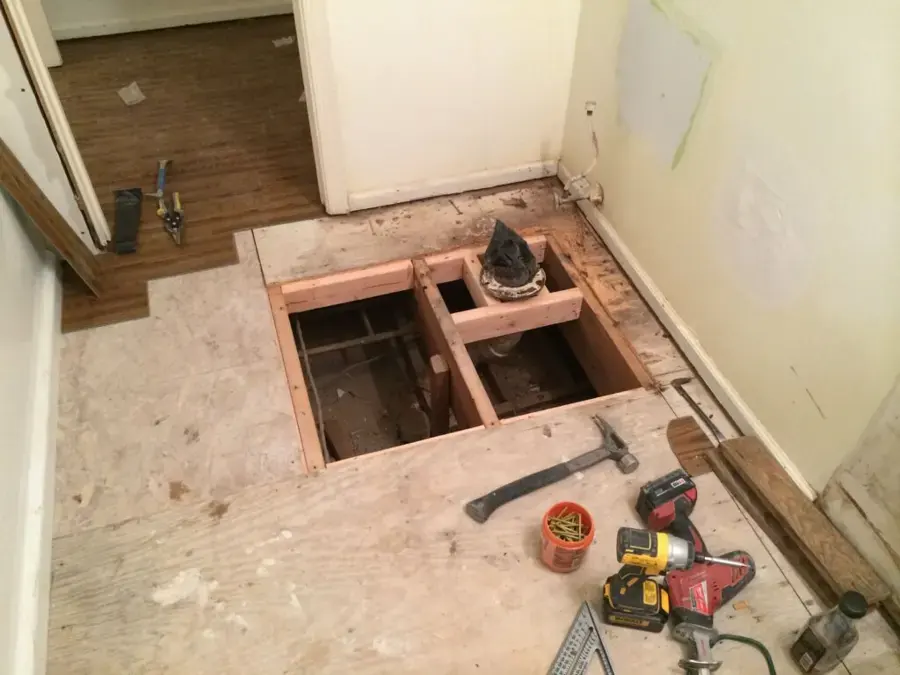
Decking that stays wet swells, delaminates and loses strength, so soft spots in the floor are a warning sign. The crew checks it from above and, where access exists, from underneath, then cuts out swollen sections and removes wet insulation before drying the framing. Soft decking is not a cosmetic issue, since it can no longer carry weight safely, so affected sections are marked and kept clear of foot traffic.
Park and flood concerns
Twin City mobile home park had a high water rescue during Idalia, which shows how fast low areas can be overtaken. After floodwater, the loss is treated as Category 3 and soaked materials come out. Plumbing leaks are simpler, with drying in place where the decking recovers. Owners in a park should also tell the park manager about leaks tied to shared connections, since the repair may not be theirs. Documentation of the first water date helps the carrier.
For surge losses, see storm and flood cleanup, and for the drying stage, structural drying. Pooled water on the floor goes first through water extraction.
What does mobile home water damage cost in St. Petersburg, FL?
Mobile home water damage in St. Petersburg usually costs $800 to $6,000 or more. A small leak with floor drying sits at the low end, while flood or a long running leak with decking and several rooms sits at the high end.
Small leak
$800 to $1,900
- Floor drying
- Decking spot access
- Short setup
Decking and belly
$1,900 to $4,000
- Swollen decking cut out
- Wet insulation removed
- Framing dried
Flood or long leak
$4,000 to $6,000+
- Category 3 removal
- Several rooms
- Extended drying
How long the water sat, whether decking swelled and whether it was flood water drive the price. Belly insulation and the number of rooms add equipment days. Try your own figures in the Palmetto water damage cost calculator.
How mobile home water damage is handled in St. Petersburg
- 1
Check the floor
The technician tests decking and wall bottoms for moisture and soft spots, and probes belly access if open.
- 2
Extract and cut out
Water is removed, and swollen decking or wet insulation is cut out as needed.
- 3
Dry the framing
Mats, air movers and dehumidifiers dry what remains.
- 4
Verify and record
Readings and photos confirm the home is dry and support the claim with dates.
Coverage across St. Petersburg, FL
The St. Petersburg water damage pros work across the city, from Downtown St. Petersburg and the Grand Central District to Shore Acres, Snell Isle, Riviera Bay, Roser Park and Pasadena, covering every ZIP code listed below.
Browse the full Palmetto coverage listMobile home questions in St. Petersburg
Why do mobile home floors fail from water?
The decking is thin and absorbs water, so it swells and softens sooner than thicker floor systems. A thin deck that has absorbed water cannot be repaired by sanding or sealing.
Does belly insulation need to come out?
If it is soaked, yes, since it holds water against the floor and dries slowly. Replacement insulation goes in after the frame is dry.
Can the floor be dried instead of replaced?
Sometimes. Decking that has not swollen badly can dry in place, while soft or delaminated sections are cut out. The crew tests decking before deciding.
What about flood water in a park?
Flood water is Category 3, so soaked materials are removed and surfaces are treated. Skirting areas and low walls are checked too.
How long does drying take?
Often three to five days for a leak, longer for a flood or swollen decking. Soft decking and flood losses can run longer.
Is a mobile home leak covered?
It depends on the policy and the cause, so the carrier decides after seeing photos and readings. Readings and photos help the carrier.
Who handles the park connection?
The park or the owner may own different parts of the supply connection, so a plumber or the park manager confirms who repairs the failed part before the crew dries the home.
Mobile home water loss? Call the crew
The drying team checks decking and belly insulation, removes what cannot recover and dries the home to documented readings.