Slab Leak Water Damage in St. Petersburg, FL
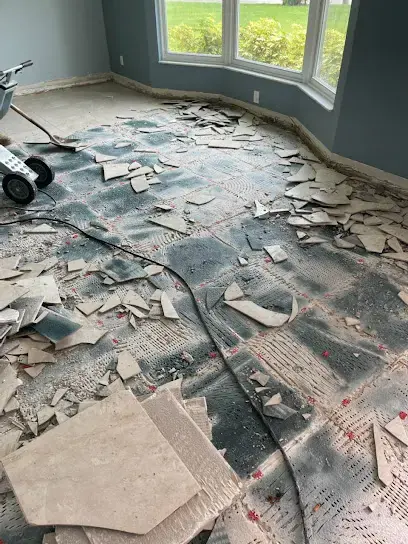
A leak beneath a concrete floor shows up as warm spots, a running meter, damp tile or a musty smell, and the water spreads sideways through flooring before it is visible. The restoration crew traces the wet path, lifts the affected floor and dries the slab itself.
(888) 621-2041Warm floor or damp tile? Call to check- Hot spot tracing
- Tile and plank lifting
- Desiccant drying
- Slab moisture readings
What to do when you suspect a leak under the floor
- 1
Check the meter
With every tap and appliance off, see whether the water meter keeps moving. Movement points to a hidden leak.
- 2
Close the main
Shut the home's main valve while a plumber is booked, so the leak stops feeding the wet area.
- 3
Note the clues
Record warm floor patches, damp tile joints, hissing sounds and any rise in the water bill.
- 4
Clear the floor
Lift rugs and low furniture off damp flooring and let air reach the surface.
Drying a slab is slower than drying a wall
Concrete holds water deep in its pores, so it lets go slowly, especially in humid air. The drying team measures slab moisture and sets desiccant units and mats to pull it out steadily.
- Water category
- Category 1 from a supply pipe, Category 3 if a drain leaked.
- Typical class
- Class 3 or 4 when concrete and flooring hold water.
- Equipment
- Desiccant dehumidifiers, drying mats, air movers and moisture meters.
- Drying goal
- Slab and flooring readings matching the dry reference.
Slab leaks are easy to miss because the water starts below the visible floor. The first clues are subtle: a meter that will not sit still, a warm or cool patch underfoot, grout joints darkening or a baseboard that stays damp. Foundation types vary by property, so the crew checks each home rather than assuming, and starts with a full moisture map of the level before opening anything.
Signs a slab may be leaking
- A water meter that moves while every fixture is off
- Warm or cool patches on tile with no sunlight or vent to explain them
- Wet baseboards or wall bottoms along one side of a room
- Hissing or running sounds from the floor in a quiet house
- Higher water bills with no change in household use
Meter running with nothing on? Ask the crew about slab drying.
(888) 621-2041Call about the slabHow the crew works around the concrete
After a plumber locates and repairs the leak, the technician lifts tile, plank or carpet along the wet path and opens wall bottoms that wicked moisture upward. Desiccant units then dry the slab from above while air movers carry the vapor off the surface. Pulling the floor back is selective, not a full tear out. Selective removal also keeps the cost down, since tile that is dry and sound can often stay.
Repair and drying go together
A slab leak has two jobs that must stay in step. The plumber finds and fixes the pipe, which may mean cutting concrete, and the drying team removes water and dries what it soaked. When the plumber's cut is done, the crew checks whether drying readings still hold, so flooring can be replaced over a dry base. See the drying plan for the equipment stage. Documenting the plumber's finding, with photos of the leak spot, helps the carrier tie the damage to the cause.
A leak from a drain instead of a supply pipe changes the water category, so see sewage backup cleanup for that case.
What does slab leak water damage cost in St. Petersburg, FL?
Slab leak water damage in St. Petersburg usually costs $1,300 to $8,000 or more. A small damp area on one floor sits at the bottom of the range, and a long running or drain leak that spread across rooms reaches the top. Concrete drying time is a major factor.
Small damp area
$1,300 to $2,700
- One room affected
- Tile lifted along path
- Slab drying started
Rooms in a row
$2,700 to $5,200
- Flooring along the leak
- Wall bottoms opened
- Desiccant units added
Long leak or drain
$5,200 to $8,000+
- Category 3 cleanup
- Cabinets and trim
- Extended equipment days
Floor type, how long the slab stayed wet and whether a drain pipe was involved drive the cost. Tile and plank removal and extra desiccant days add to it. Try your own figures in the Palmetto water damage cost calculator.
How slab leak water damage is handled in St. Petersburg
- 1
Locate the water
A plumber pinpoints the leak while the technician maps moisture across the slab and flooring.
- 2
Coordinate the repair
The pipe is fixed first so the wet area stops growing, then the drying plan is set.
- 3
Open the floor
Flooring that holds water is lifted along the wet path, and baseboards and wall bottoms are checked.
- 4
Dry the concrete
Desiccant units and drying mats work until readings show the slab has reached its target.
Coverage across St. Petersburg, FL
The St. Petersburg water damage pros work across the city, from Downtown St. Petersburg and the Grand Central District to Shore Acres, Snell Isle, Riviera Bay, Roser Park and Pasadena, covering every ZIP code listed below.
Browse the full Palmetto coverage listSlab leak questions answered
How do I know the leak is under the slab?
A meter that moves with everything off, warm or damp floor patches and wet baseboards are common signs. A plumber confirms the location with leak detection tools.
Does the slab have to be broken open?
That is the plumber's decision. Some repairs reroute the pipe, while others open the concrete, and the drying team works around whichever method is chosen.
How long does concrete take to dry?
Longer than wall materials, often a week or more, because concrete releases moisture slowly. Desiccant equipment and readings decide when it is finished.
Will the flooring survive?
Tile can sometimes be saved if the water is clean and the tile is lifted early. Plank, carpet and glued products that hold moisture are usually replaced.
Is the damage covered by insurance?
That depends on the policy and the cause, and a leak that went on for a long time may be treated differently from a sudden discharge. Documentation helps the carrier decide.
Can a slab leak cause sewage problems?
Only if a drain pipe is the source. Then the water is Category 3, and the crew removes contaminated materials and treats surfaces.
Leak under the floor? Call the drying team
The restoration crew maps moisture, works with the plumber and dries the slab and flooring to documented readings, so replacement can start on a dry base.