Toilet Overflow Cleanup in St. Petersburg, FL
An overflowing toilet pushes water across bathroom tile, under the door and into the hallway. Because the water can carry waste, the crew extracts, cleans, treats and dries, and removes pad or drywall the water soaked. The crew also checks the subfloor and wall bottoms before drying.
(888) 621-2041Toilet overflowed onto the floor? Call the crew- Dirty water extraction
- Surface disinfection
- Pad and baseboard removal
- Hallway drying
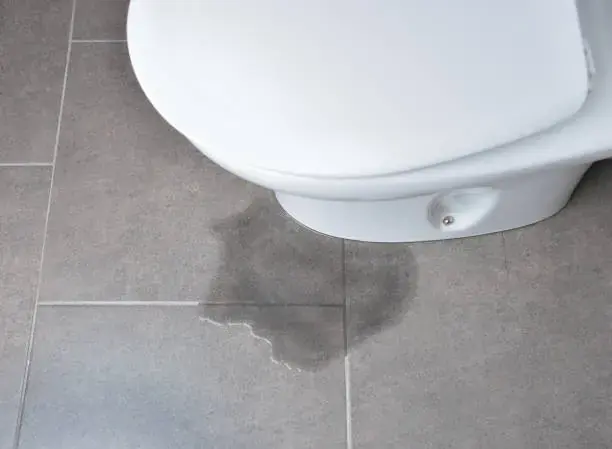
What to do when a toilet overflows
- 1
Stop the flow
Turn the supply valve at the base of the toilet clockwise, and lift the tank float if water is still running.
- 2
Avoid contact
Keep skin away from the water, and wear gloves and boots if you must enter, since it may carry waste.
- 3
Limit the spread
Block door gaps with towels and keep foot traffic out of the wet area so contamination does not travel.
- 4
Photograph and call
Capture the bathroom and any wet hall carpet, then call rather than cleaning absorbent materials yourself.
Why toilet water is treated with caution
Even when the water looks light, it may include waste, so it is handled as potentially contaminated. The crew treats the surfaces it touched and removes absorbent materials that cannot be cleaned.
- Water category
- Category 2 for bowl water, Category 3 if waste was present.
- Typical class
- Class 1 or 2 on tile, higher when carpet and pad are wet.
- Equipment
- Extractors, air movers, antimicrobial treatment and dehumidifiers.
- Drying goal
- Cleaned surfaces and wall bottoms at the dry reference.
An overflow is a plumbing event, but it quickly becomes a sanitation problem. Water from a toilet bowl mixes with whatever is on the floor, runs under the door and soaks hall carpet or neighboring rooms. A clog may also point to a sewer or lateral problem, which changes the job. Most overflows are one room events, but a hallway of wet carpet or a wall shared with a bedroom changes the plan quickly. Even a short overflow can reach the subfloor through grout joints and the gap around the toilet base.
Where the water goes
- Bathroom tile and grout joints
- Under the baseboard and into the wall bottom
- Subfloor beneath vinyl or tile
- Carpet and pad in the hallway or bedroom
- Cabinet bases next to the toilet
Toilet overflow in St. Petersburg? Get the cleanup started.
(888) 621-2041Call the crewCleaning versus removing
Hard surfaces can be cleaned and treated, while carpet pad and soaked drywall near the floor often cannot be made safe and are removed. The technician sorts what stays from what goes by checking the category, the contact time and the moisture readings. Odor lingers only when something absorbent is left behind, so the crew looks beneath vinyl and behind baseboards before calling the area clean. Grout joints and the gap under the toilet flange hold dirty water, so those spots get extra attention during treatment.
When the clog is bigger
If the toilet overflowed because the main drain is blocked or sewage is coming up elsewhere, the cleanup scales up. Sewage backup cleanup covers that case, including the city rule that owners maintain private sewer laterals. A plumber should clear the blockage first. Floor drains, tubs and sinks that bubble at the same time point to a main drain problem rather than a single toilet. Photographs of the water's reach make the insurance record clearer.
After removal, see structural drying for the equipment stage. Pooled water should be pulled out through water extraction before drying starts.
What does toilet overflow cleanup cost in St. Petersburg, FL?
Toilet overflow cleanup in St. Petersburg usually runs $300 to $3,200 or more. A clean overflow caught quickly sits at the low end, while waste that reached other rooms sits at the high end. Final cost follows the readings.
Clean overflow, caught fast
$300 to $900
- Water extraction
- Baseboard check
- Short drying run
Bowl water spread
$900 to $2,000
- Cleaning and treatment
- Pad removed
- Wall bottoms dried
Waste reached other rooms
$2,000 to $3,200+
- Category 3 removal
- Antimicrobial treatment
- Hallway and bedroom drying
The water category, carpet or tile and how many rooms were reached drive the price. Waste in the water and wet pad add removal time. Try your own figures in the Palmetto water damage cost calculator.
How toilet overflow cleanup is handled in St. Petersburg
- 1
Contain and extract
The crew limits the spread, blocks door gaps and pulls the water from the floor.
- 2
Remove what cannot stay
Pad, soaked drywall and other porous items that cannot be cleaned come out.
- 3
Clean and treat
Hard surfaces and wall bottoms are cleaned and treated with products suited to the water.
- 4
Dry and verify
Equipment runs until readings are back to normal, then the records go to the owner.
Coverage across St. Petersburg, FL
The St. Petersburg water damage pros work across the city, from Downtown St. Petersburg and the Grand Central District to Shore Acres, Snell Isle, Riviera Bay, Roser Park and Pasadena, covering every ZIP code listed below.
Browse the full Palmetto coverage listToilet overflow questions in St. Petersburg
Is toilet overflow water dangerous?
It can carry bacteria even when it looks clean, so contact should be avoided and porous materials handled with care. Gloves are the minimum protection.
Can the carpet be saved?
Often not if the water carried waste. Pad comes out, and carpet is judged by category and contact time. Rugs and mats in the path are usually discarded.
Do I need a plumber?
Yes if the clog is in the drain. The crew handles the water, not the blockage. Clearing the clog first prevents a second overflow.
How long does drying take?
Tile floors dry fast, while carpet and wall bottoms may need three to five days. Wall bottoms are checked with meters before the crew leaves.
Will the smell go away?
Cleaning, treatment and removal of absorbent materials take out the source, so odor usually fades. Deodorizers only mask a smell and do not remove a source.
Is a toilet overflow covered by insurance?
It depends on the policy and the cause, so the carrier decides after seeing photos and readings. Photos and a short written account help the carrier.
Should I use bleach on the floor?
Household bleach does not treat porous materials and can create hazards when mixed with other cleaners. The crew uses treatments suited to the surface and the water category.
Toilet overflow? Call the cleanup crew
The restoration crew pulls up the water, cleans and treats surfaces and dries the floor and walls to documented readings.