Mobile Home Water Damage in Longboat Key, FL
Leaks in a mobile home soak the floor decking and the belly insulation underneath, where moisture hides from view. The drying team cuts out swollen decking, removes wet insulation and dries the framing before any repairs, flooring or skirting work begins.
(888) 621-2041Mobile home leaking? Phone the crew- Floor decking drying
- Belly insulation removal
- Wall bottom checks
- Framing moisture readings
Before the crew reaches your mobile home
- 1
Shut off the water
Close the supply valve to the home or the affected fixture to stop new water.
- 2
Stay off soft floors
Wet decking can sag or give way, so avoid walking on spongy spots.
- 3
Check under the home
Look for wet insulation hanging from the belly or water dripping from a floor seam.
- 4
Photograph the damage
Record the leak source, wet floors and walls and any belly damage with dates.
Why mobile home floors and bellies need special care
Decking is thin and swells fast, and the belly insulation traps water against the framing. Both can hide moisture long after the room above looks dry.
- Water category
- Category 1 for supply leaks, Category 3 for flood or sewage.
- Typical class
- Class 2 or 3, with decking and belly insulation holding water.
- Equipment
- Air movers, dehumidifiers, drying mats and moisture meters.
- Drying goal
- Decking, framing and wall bottoms at dry readings before repair.
A mobile home has a lighter structure than a block building, which changes how water behaves. Water from a pipe, an appliance or a storm sinks into thin decking and into the belly insulation beneath. The same plumbing failures and storm rain that reach other Longboat Key homes can leave a mobile home with hidden wet floors. Skirting, plumbing penetrations and floor seams are common places for water to get in, and the first sign is often a soft spot underfoot.
How a mobile home dries out
- Maps wet decking and wall bottoms with moisture meters
- Pulls up floor coverings so the decking can breathe
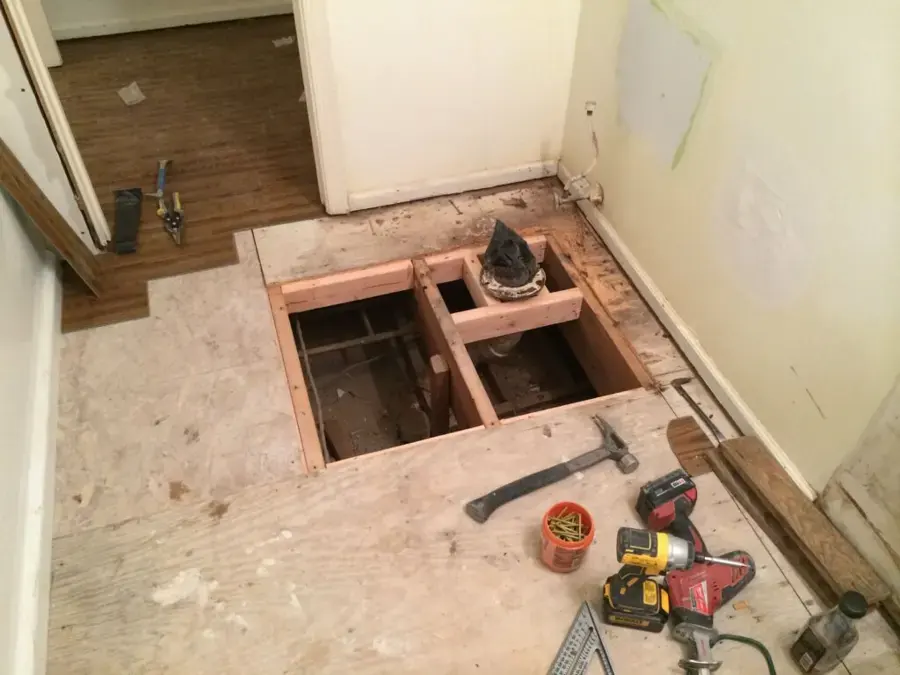
- Cuts out swollen decking that will not dry back to normal
- Removes wet belly insulation and checks the framing above it
- Dries joists and wall bottoms with air movers and dehumidifiers
- Logs readings until framing and decking are dry before repair
- Checks plumbing penetrations and floor seams for the entry point
Water under or inside your Longboat Key mobile home?
(888) 621-2041Phone for mobile home dryingStorms are hard on lightweight homes
Hurricane Debby affected the town on August 4, 2024, and Helene brought a surge of 4 to 6 feet on September 26, 2024. Wind-driven rain and rising water reach floors and walls differently in a lightweight home, so cleanup begins with finding every wet layer.
Water service and the owner's side
The Town of Longboat Key provides water and wastewater service up to the property line, and owners are responsible for pipes beyond it. A leak after that point is the owner's repair, while the restoration crew handles removal and drying so repairs go over dry framing. Reading both sides of each wall shows whether the lower walls stayed dry or still hold moisture.
Flood or sewage losses overlap with storm and flood cleanup, and plumbing failures with burst pipe water damage.
What does mobile home water damage cost in Longboat Key, FL?
Mobile home water damage in Longboat Key usually costs $800 to $1,900 for a small leak and $1,900 to $4,000 when decking and belly insulation are wet. A flood or long leak can reach $6,000 or more, depending on how much decking comes out.
Small leak
$800 to $1,900
- Floor and decking drying
- Spot decking repair access
- Short drying setup
Decking and belly
$1,900 to $4,000
- Swollen decking cut out
- Wet insulation removed
- Framing dried
Flood or long leak
$4,000 to $6,000+
- Category 3 removal
- Several rooms
- Extended drying
How much decking comes out, whether belly insulation is wet, the number of rooms affected and whether the water was clean or contaminated shape the price. Try your own figures in the Palmetto water damage cost calculator.
How mobile home water damage is handled in Longboat Key
- 1
Map the moisture
Meters and thermal imaging show wet decking, walls and belly insulation across the home.
- 2
Open the floor
Coverings come up and swollen decking is cut out so the framing can be reached.
- 3
Remove wet insulation
Belly insulation that holds water is taken out and bagged for disposal.
- 4
Dry the framing
Air movers and dehumidifiers run until the framing and decking read dry.
Coverage across Longboat Key, FL
The restoration crew works across Longboat Key, from the Manatee County end to the Sarasota County end, including ZIP code 34228 and the condominiums and waterfront homes in between, from Bay Isles to Country Club Shores.
Browse the full Palmetto coverage listMobile home water damage questions
Why is a mobile home floor so vulnerable?
The decking is thin and swells quickly, and the belly insulation traps moisture against the framing and the floor above.
Does the belly insulation always come out?
If it is wet or contaminated, yes. Dry sections can often stay, and moisture readings show which is which.
Can swollen decking be dried?
Light swelling may flatten after drying, but badly swollen decking is cut out and replaced so the floor is solid.
Does insurance cover mobile home water damage?
Sudden leaks are often covered, and flood needs separate coverage. Coverage depends on your policy, so ask your agent.
Who repairs the pipe?
A plumber does, and owners are responsible for pipes beyond the property line. The drying crew handles the wet floors and walls.
How long does drying take?
A few days for a small area and longer for decking, belly and several rooms. Daily readings decide when equipment leaves.
Can a mobile home be repaired after flood damage?
Yes, once the structure is dry. Wet decking and insulation are replaced, and readings should be confirmed before floors and finishes go back.
Water damage in your Longboat Key mobile home?
The drying team finds the wet decking and belly, removes what will not dry and keeps going until the framing reads dry.