Water Extraction in Longboat Key, FL
Surge, a failed pipe or an overflowing tank can leave standing water in a ground-level room on Longboat Key. The extraction crew pumps and vacuums it out, pulls wet pad and baseboards, and checks the walls and floor edges for moisture before drying starts.
(888) 621-2041Standing water inside? Phone the pump crew- Truck-mounted extractors
- Submersible pumps
- Wet pad removal
- Sand and silt removal
Before the extraction crew gets there
- 1
Stay out of deep water
Standing water near outlets and cords can carry current, so keep breakers off for the wet rooms.
- 2
Lift what you can
Move rugs, small furniture and electronics off wet floors so they do not soak up more water.
- 3
Note the water source
Clear water from a pipe and dirty water from a drain or the bay are handled differently, so say which it was.
- 4
Shoot photos and video
Capture the depth and spread of the water and any belongings in it before pumping begins.
How extraction is done on a wet floor
Pumping and vacuuming remove the bulk of the water, but moisture left in pad, baseboards and wall bottoms keeps spreading unless it is mapped and dried too.
- Water category
- Category 1 for a supply leak, Category 3 for sewage or bay and Gulf surge water.
- Typical class
- Class 2 when carpet, pad and wall bottoms are wet.
- Equipment
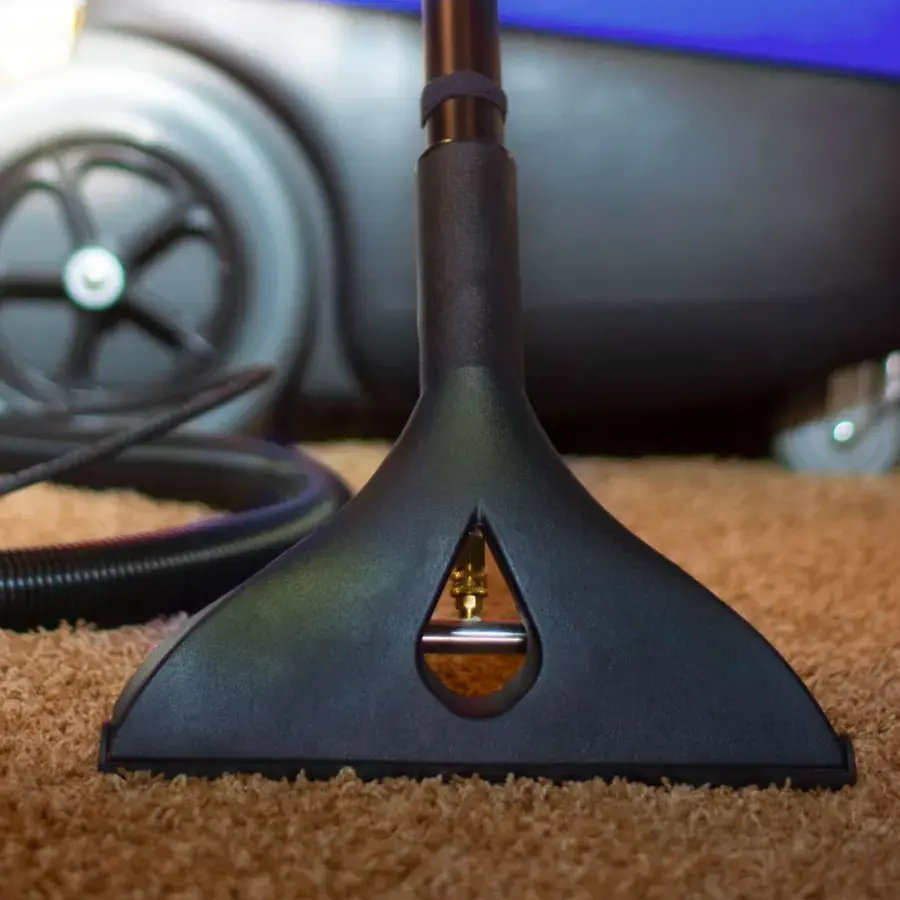
- Truck-mounted extractor, submersible pump, weighted wand and wet vacuums.
- Drying goal
- No standing water and falling readings in pad, baseboards and wall bottoms.
Water extraction on Longboat Key often follows storm surge or a plumbing failure in a ground-level unit. Hurricane Helene's surge of 4 to 6 feet on September 26, 2024 showed how fast water moves into garages and first floors. Getting it out early limits what wicks into drywall, pad and wood, and it shortens the drying that has to follow. The crew treats every job as water in one place that must not become water in several.
What the extraction crew does
- Pumps down deep water with submersible units before any vacuuming starts
- Runs a truck-mounted extractor over carpet and tile to pull moisture from the surface
- Lifts carpet pad that has soaked through, since it cannot be dried in place
- Pulls baseboards to check the wall bottoms for hidden wet drywall
- Records a first set of moisture readings to set the drying plan
- Hauls out ruined pad and debris so the floor can be cleaned and checked
Water standing in a Longboat Key room right now?
(888) 621-2041Phone for extractionWhy sand and salt change the job
After Helene, sand lay on Gulf of Mexico Drive and the bay and Gulf met in places. Surge water carries silt, sand and salt into rooms, so extraction includes clearing that debris and treating floors before equipment is set. Salt left behind can also make surfaces feel damp for longer than clean water would.
After the water is out
Extraction is the first stage, not the finish. Wet wall cavities and subfloors still hold moisture, so the crew follows with structural drying and checks readings daily until the materials reach the dry standard, with each reading noted so the file shows exactly when drying finished.
Bigger floods add flood cuts and debris removal under storm and flood cleanup, and a pipe failure may also need the cavity work described under burst pipe water damage.
What does water extraction cost in Longboat Key, FL?
Water extraction in Longboat Key typically costs $400 to $1,200 for one room of clean water, rising to $2,600 to $3,800 or more when floodwater or sewage needs Category 3 handling and deeper pumping. A middle band of $1,200 to $2,600 covers several rooms.
One room, clean water
$400 to $1,200
- Truck-mounted extraction
- Carpet or tile floor
- Initial drying equipment setup
Several rooms
$1,200 to $2,600
- Wet pad removed
- Baseboards pulled
- More air movers
Floodwater or sewage
$2,600 to $3,800+
- Category 3 handling
- Pumps for deep water
- Antimicrobial treatment
Depth of water, number of rooms, whether pad and baseboards must come out, and whether the water is clean or contaminated all move the final price. Try your own figures in the Palmetto water damage cost calculator.
How water extraction is handled in Longboat Key
- 1
Pump down
Submersible pumps clear deep water first, then wands and vacuums work the floor.
- 2
Extract
The truck-mounted unit pulls water out of carpet, tile grout and the edges of rooms.
- 3
Remove wet pad
Soaked pad and loose baseboards come up so the subfloor can start to dry.
- 4
Hand off to drying
Moisture readings set the equipment plan that finishes the job.
Coverage across Longboat Key, FL
The restoration crew works across Longboat Key, from the Manatee County end to the Sarasota County end, including ZIP code 34228 and the condominiums and waterfront homes in between, from Bay Isles to Country Club Shores.
Browse the full Palmetto coverage listWater extraction questions in Longboat Key
How fast should water be extracted?
As early as possible. Carpet pad and drywall start absorbing moisture right away, so every delay widens the damage and lengthens the drying plan.
Can a wet carpet be saved after extraction?
Carpet from a clean-water source can often be extracted and dried, but the pad underneath is usually replaced. Carpet touched by sewage or bay water is normally removed.
Is surge water treated differently from pipe water?
Yes. Surge water from the bay or Gulf is Category 3 and carries silt, sand and contaminants, so cleaning and treatment steps are added beyond simple pumping.
Does the power need to be on to extract water?
Not always. Portable extractors and pumps can run on generator power, and breakers for wet rooms stay off until an electrician confirms the area is safe.
Does extraction include drying?
Extraction removes the standing water, while drying removes what is absorbed. Both belong to one job, but drying takes equipment and several days of readings.
What should be moved before the crew arrives?
Small furniture, rugs and electronics, if it is safe to do so. Heavy items can stay in place while the crew works around them.
Water on the floor in Longboat Key?
The extraction crew pumps out standing water, pulls what is soaked and sets up the drying that keeps island walls and floors from staying wet.