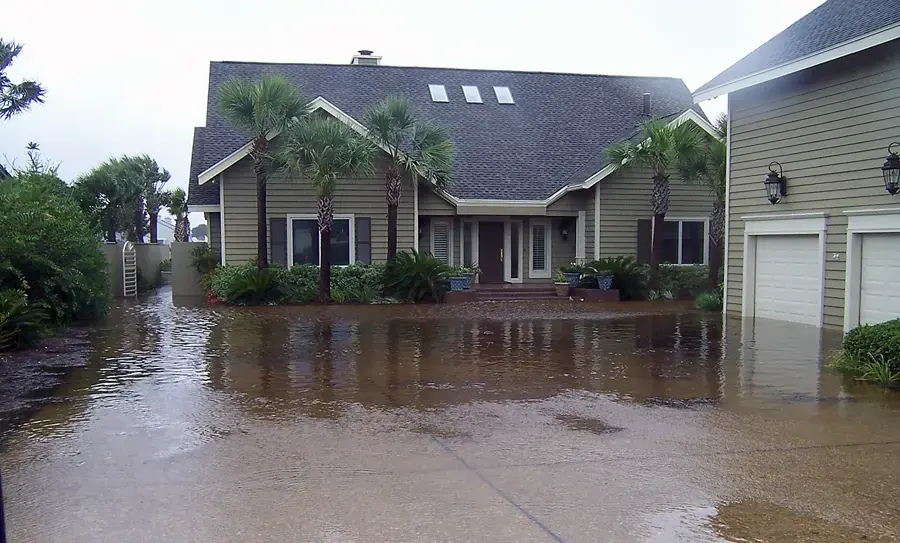
On August 5, 2024, the Manatee River at Rye Bridge, east of Bradenton, crested at 20.12 feet. That set a record, passing the one from July 21, 1962. For a homeowner near the river, the number matters less than what came through the door.
Key takeaways
- River flood water carries silt, bacteria and debris, so it is handled as Category 3 water, not as a plumbing leak.
- Debby and Helene both put water into the Bradenton area in 2024, from rain in August and surge in late September.
- Extraction comes first, then wet flooring, pad and drywall are removed, and the structure is dried to readings.
- The City of Bradenton posts flood zone, storm surge zone and evacuation zone maps, and Manatee County offers an address lookup.
- Photograph everything before moving it, and keep samples of ruined materials until the adjuster has seen them.
What the river and the storms did in 2024
Hurricane Debby brought 12 to 14 inches of rain in 24 hours on August 5, 2024, according to the county report, and Manatee County reported widespread flooding.
The river crest that day passed the 1962 record. Water that high does not stay in the river channel.
Hurricane Helene followed in late September. Its record storm surge flooded along the Manatee River on September 26 and 27, 2024, and standing water reached the Bradenton Riverwalk.
After Hurricane Milton in October 2024, Mayor Gene Brown described storm surge and wind damage. Three storms in about two months left many homes wet more than once.
- August 5, 2024: Debby rain and the record river crest
- September 26 and 27, 2024: Helene surge along the river
- October 2024: Milton surge and wind damage
Why river flood water is not a plumbing leak
A burst pipe or a supply leak puts clean water into a house. River water is different. It crosses streets, yards and storm drains before it reaches a home, and it can carry silt, fuel, bacteria and waste.
Restoration crews classify that as Category 3. The category matters because it decides what can be saved. Porous materials that soaked in flood water, such as carpet, pad, insulation and soft drywall, usually have to come out.
The storm and flood cleanup page explains how this water is sorted and treated in Bradenton homes.
What can and cannot be saved
The material decides the answer. Dense, sealed surfaces can be cleaned. Porous ones that drank flood water usually cannot.
- Usually saved: tile, sealed concrete, solid wood furniture with a cleanable finish
- Usually removed: carpet, pad, insulation, soft drywall and particle board
- Case by case: hardwood floors, cabinets and appliances
The first day after flood water enters a home
The first hours are about safety and proof. Do not walk through standing water if the power may be on, and do not turn on wet appliances.
Safety steps
Turn off power to the flooded area at the breaker only if the panel is dry and safe to reach. Otherwise leave it and call an electrician.
Wear boots and gloves around flood water, and keep children and pets out of it.
- Do not use a household vacuum on water
- Do not run wet electronics
- Avoid contact with the water on bare skin
Document before moving
Photograph and video the water marks on the walls, the contents and any damage to flooring. Note the time the water came in and the time it went down.
Insurance adjusters ask for those details, and the notes also shape the drying plan.
How extraction and removal work
The water extraction work starts with pumps for deep water, then truck mounted extraction for what remains on the floor.
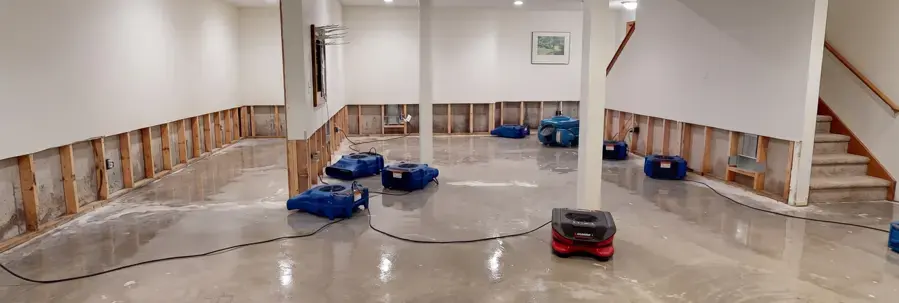
Once the water is out, the crew removes what cannot be dried and cleaned: pad, soft baseboard, wet insulation and drywall that wicked flood water above the floor. Hard surfaces are cleaned and treated with an antimicrobial.
Drywall is cut a short way above the wet mark so the new wall can be built on dry material.
After removal, the structure still has to dry. Walls, framing and the slab or floor system are dried with air movers and dehumidifiers, and moisture readings are taken on each visit.
Skipping that step is how a flooded home ends up with a damp smell months later, so the drying records matter as much as the removal.
- Pumps and extraction remove standing water
- Wet pad, carpet and soft materials are taken out
- Drywall is cut above the wet mark
- Hard surfaces are cleaned and treated
- Air movers and dehumidifiers dry what stays
Where water collects in Bradenton
Bradenton sits on the south bank of the Manatee River, with Palmetto across the river to the north. Downtown lies along the river in the northwest part of the city.
West Bradenton has Wares Creek, and Palma Sola Bay sits near the Palma Sola area. The city is low beside the river, the creek and the bay, so storm and surge water has to be pulled out of a home quickly.
The Bradenton climate is humid subtropical, with hot, humid summers. That slows drying, which is one reason wet walls are checked with a meter instead of by feel.
Downtown holds the Bradenton Financial Center at 12 stories and the nine floor Manatee County Judicial Center. Business owners near the river face the same flood water as homeowners, with inventory and records to protect as well.
Flood maps and lookups worth checking
The City of Bradenton posts flood zone, storm surge zone and evacuation zone maps on its website. Manatee County offers an address lookup called Know Your New Flood Zone.
A study reported in September 2025 says an extreme rainfall event such as a hurricane could flood 8 to 11 percent of Manatee County. A homeowner can look up the property before the next storm and know what to expect.
The same flooding hits Palmetto across the river, and the storm and flood cleanup in Palmetto page covers that side. Neighbors can also start from the Bradenton hub.
What to keep for the adjuster
Keep a list of damaged contents and photos of the water level. Keep samples of flooring, pad and drywall until the adjuster signs off.
Receipts for drying equipment, removal and repairs support the claim. A short log of dates and calls helps if the claim takes time.
Three storms in about two months can blur together. Document each event separately, with its own photos and dates, so the adjuster can tell which water caused which damage.
- Photos and video of the water marks
- A list of damaged contents with rough costs
- Samples of removed flooring and drywall
- Invoices for pumping, removal, drying and repairs
- A log of every call and the name of who you spoke to